The sudden US decision to pull out its forces from the Ain al-Asad and Victoria bases in Iraq and redeploy them to Erbil and possibly to a neighboring Arab country amounts to a significant change in US military posture in the Middle East. Despite the optics of a “withdrawal,” the move is actually a careful reorientation intended to strike a new balance between the security demands of maintaining strategic influence and the operational risks inherent to domestic politics and regional tensions. Understanding the objectives, underlying drivers, and expected outcomes of this repositioning can help shed some light on the broader framework of US defense strategy in the Middle East going forward.
The Objectives of US Repositioning
Washington’s primary objective is to maintain its influence in Iraq while protecting its troops from escalating geopolitical risk in the Middle East. By withdrawing from Ain al-Asad and Victoria, two bases frequently targeted by Iran-backed militias with drones and rockets, the US reduces the vulnerability of its forces to asymmetric attacks. Along with protecting troops, this risk management lowers the political costs of an exchange that leads to casualties, which would fuel tensions between Washington and Baghdad and potentially entangle Washington in new conflicts.
Another rationale is to deny Tehran the tactical and symbolic advantage of attacking US military targets in central and western Iraq. Such attacks on US facilities in Baghdad or Anbar highlight US vulnerability and bolster Iran’s resistance narrative. By removing these high-value targets, Washington hopes to prevent Iranian propaganda victories while preserving operational flexibility.
Managing Iraqi Political Pressures While Preserving Erbil’s Strategic Reach
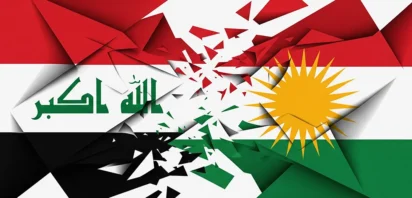
In Iraq, Prime Minister Mohammed Shia’ al-Sudani is facing increased pressure from the parliament and some segments of the populace to end the “foreign military presence.” If Washington agrees to withdraw from Ain al-Asad and Victoria, some of this pressure would be alleviated. The US maintains a discreet but effective presence in Erbil and other locations, which helps the local government maintain some degree of autonomy. The resulting formula mitigates tensions with the central government while still maintaining operational capability.
By stationing forces in Erbil, the United States maintains fire control, intelligence, and surveillance capabilities across Iraq, Syria, and, if necessary, Iran. The Kurdish Regional Government (KRG) has established a politically secure environment in which US troops are considered close allies rather than occupiers, allowing US forces to operate with a more sustainable footprint.
Elements Affecting the Decision
- Increasing Militia Risks. The operational environment in Iraq has grown increasingly hostile. Pro-Iranian militias have frequently attacked US bases in Baghdad and Anbar with rockets and drones in recent years. While defenses such as C-RAM systems and Patriot batteries mitigate some of the threat, the continuous barrage underscores the risk of forward deployments in contested environments. Relocating to Erbil significantly reduces exposure given that Iran-aligned militias will find it more difficult to attack targets in the Kurdish north, both politically and logistically.
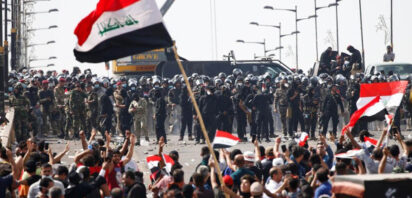
- Declining Domestic Legitimacy of the US Presence. The ongoing US military presence has become a handy political target for Iraqi factions seeking to stir up nationalist sentiment. Popular protests and parliamentary resolutions demanding the withdrawal of foreign forces highlight the growing cost of the US presence in central Iraq. By adjusting its deployment, Washington addresses these problems without acknowledging a strategic loss.
- Erbil’s Strategic Advantages. Erbil offers three key advantages: political cover, military security, and geographic utility. The Peshmerga have already demonstrated their reliability as allies. In parallel, the KRG closely aligns with US interests, and Erbil is also strategically positioned to monitor the Iran-Syria-Turkey triangle. This placement not only secures US logistics and communication channels with regional allies, but it also positions US forces to react rapidly in multiple operational theaters.
- Regional Depth in Neighboring Arab States. Washington is reportedly considering moving some of its troops to neighboring Arab countries, such as Kuwait or Jordan. Both nations offer secure bases, easy access to Syria and Iraq, and logistical depth. Jordan strategically manages the greater Levant, while Kuwait remains a long-standing staging ground for US operations into Iraq and the Gulf. These locations allow the United States to maintain rapid mobility across the Middle East without the political obligations associated with a direct presence in Baghdad.
Strategic Consequences
- Iranian Narrative and Propaganda. Tehran is likely to present the US move as a retreat and a symbolic victory for the so-called Axis of Resistance. However, this interpretation is moot because Washington is not leaving Iraq; rather, it is refocusing its efforts on more politically viable and defendable areas.
- Managing Relations with Baghdad. The withdrawal reduces public and parliamentary pressure and provides the Iraqi government with a symbolic political concession without necessitating a full US withdrawal. The resulting agreement will ensure Washington’s continued essential access to Iraqi airspace, intelligence sharing, and limited advisory functions, while also bolstering Baghdad’s domestic standing.
- Deterrence Mechanisms with Turkey. Another indirect advantage of the US presence in Erbil is that it deters Turkish incursions against Kurdish groups. In northern Iraq, Ankara has attacked the PKK on several occasions. A conspicuous US military presence complicates Turkish calculations, since Washington quietly signals that Kurdish territories are within its area of security interest.
Regional Geopolitical Impact of the US Shift
The repositioning has implications beyond Iraq. By sending troops into Erbil, Jordan, and Kuwait, the U.S. establishes a flexible framework that could be utilized in the event of a regional crisis, particularly a conflict with Iran. If Israel attacks Iranian nuclear facilities again, US forces in Erbil and neighboring states could provide intelligence, logistical, and potentially even ground support. This position will ensure that Washington retains the ability to be a key player in any future escalation involving Syria, Iran, or the Gulf.
Lastly, from the perspectives of cost-effectiveness and long-term sustainability, the shift aligns with Washington’s overarching strategic objective of maintaining influence in the Middle East while reducing the costs of extended deployments. A lighter, more mobile footprint dispersed throughout Erbil and the neighboring states reduces vulnerability, increases operational flexibility, and eases political tension.
The views expressed in this article belong to the author(s) alone and do not necessarily reflect those of Geopoliticalmonitor.com.