Geopolitics Weekly contextualizes emerging geopolitical trends around the world, distilling the cacophony of global events into one easy reader. It lands in the inbox of Geopolitical Monitor subscribers every week.
Europe
Details of a New US-Ukraine Critical Minerals Deal Emerge
What Happened
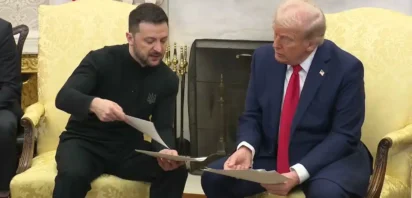
The Trump administration has rolled out a new version of its minerals deal with Ukraine, marking a shift in how US companies would interact with Ukraine’s natural resources and infrastructure. At the center of the deal is a “right of first offer” clause, which essentially gives US companies priority access to invest in Ukrainian infrastructure and critical mineral projects. This means US firms would get the first opportunity to bid on these ventures before they’re offered to companies from other states.
The proposal also introduces a US-controlled Reconstruction Investment Fund, designed to collect revenues generated from Ukraine’s resource sectors—including oil, natural gas, lithium, cobalt, and other valuable minerals. These revenues would be used to repay an estimated $183 billion in military and financial aid that the U.S. has provided to Ukraine since Russia’s full-scale invasion in February 2022. Ukraine would only begin to receive profits from the fund after this debt is fully repaid—with a 4% annual interest rate included.
Control over the fund would be heavily skewed in favor of Washington. A five-member board would oversee the fund, with three members appointed by the U.S., effectively giving Washington decision-making dominance. In addition, the U.S. would gain veto power over any foreign investments in Ukraine’s postwar infrastructure and resource sectors. This includes roads, ports, railways, energy grids, and mining projects. Another provision bars Ukraine from selling its critical minerals to strategic competitors of the U.S., such as China and Russia.
Why It Matters
The proposal represents a fundamental transformation in the postwar reconstruction model being discussed for Ukraine. While framed as a mechanism for the U.S. to recover its wartime expenditures, it introduces a long-term power imbalance in favor of Washington over Ukraine’s domestic and economic policy decisions.
- Thorny Sovereignty Issues: Ukrainian officials have criticized the deal, calling it tantamount to “lifetime reparations.” Their concern is that, by prioritizing US claims on revenues and embedding veto authority in the fund’s governance, the deal severely restricts Ukraine’s ability to make sovereign economic decisions. It would limit Kyiv’s flexibility to negotiate investment agreements with other allies, such as the European Union or Japan.