The decade ahead will bring massive structural shifts as economies around the world transition away from fossil fuels. These changes have already given rise to new strategic commodities, such as rare earth minerals, cobalt, and lithium to name a few. The extent to which global economies are willing to clash over these strategic commodities in order to secure reliable supply chains remains to be seen, and will largely be a function of the global trade system going forward. However, the fact remains that supply chain security is a matter no policymaker will have the luxury of ignoring.
This article examines factors impacting nickel supply and demand over the next decade.
Background
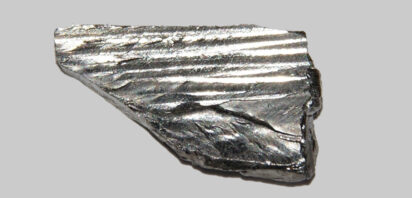
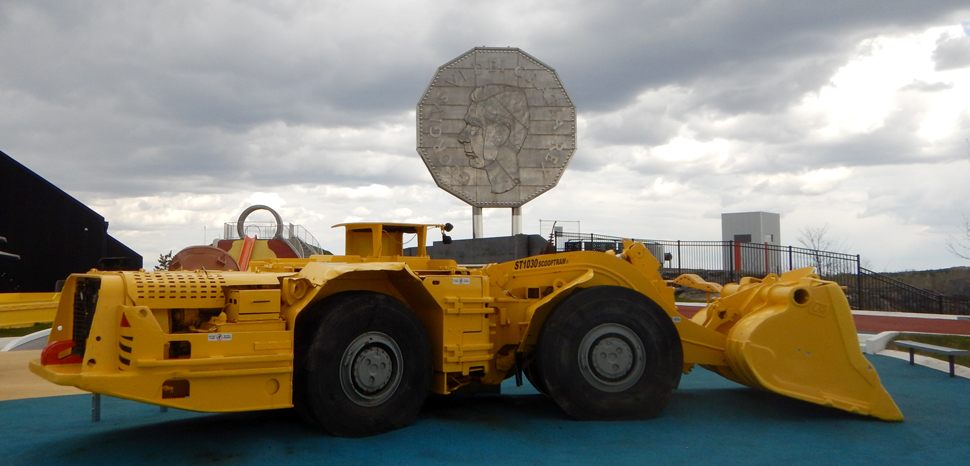
Nickel is a transition metal that is hard, lustrous, ductile, and conductive of heat and electricity. Humanity’s relationship with nickel goes back thousands of years. The metal has been used extensively as an alloy since its formal classification in the 18th century. Nickel can be blended with other metals to produce stronger, shinier, and more durable blends, and these properties have made it an invaluable input for minting corrosion-resistant coinage and as protective plating.
Nickel is also a key input in battery production. This began with the advent of the nickel-cadmium (NiCd) battery, which was invented in 1899 and became a popular choice for consumer electronics through the 1980s and 1990s despite the harmful environmental impacts of cadmium and the relatively high price per kilowatt hour. The NiCd battery was eventually supplanted by nickel metal hydride (NiMH) rechargeable batteries, which were used extensively in consumer electronics and early electric and hybrid-electric vehicles, such as the Toyota Prius. Nickel is also used in the production of cathodes in lithium-ion batteries, making it a potential input bottleneck should the more ambitious sales projections for electric vehicles (EVs) be realized in the future.
Nickel Demand
At present, the vast majority of global nickel output goes toward the production of stainless steel, which accounts for 78% of all nickel produced. Remaining nickel production is put into alloys (10%), plating (4%), batteries (3%), and miscellaneous applications (5%).
The immediate prospects for demand growth appear to be quite favorable. Nickel demand is expected to bounce back starting in 2021, helped initially by the tailwinds of industrial recovery in China and the United States (requiring additional stainless-steel production), followed by expected sharp growth in the battery industry as electric vehicle adoption rates increase.
Singapore’s DBS is predicting annual demand growth of 5.5% through 2025, compared to supply growth of just 3.3%, which will send the per-ton price of nickel to $17,000 by 2025. Incidentally, nickel prices recently shot through this ceiling to hit over $19,000/t in February before falling back below the $16,000 level. The DBS demand projections are grounded in an optimistic view of the electric vehicle industry, which the bank sees growing at a compound rate of 24% in terms of units sold, reaching 22.3 million in annual sales by 2030 (2.1 million EVs were sold worldwide in 2019).