The decade ahead will bring massive structural shifts as economies around the world transition away from fossil fuels. These changes have already given rise to new strategic commodities, such as rare earth minerals, cobalt, and lithium to name a few. The extent to which global economies are willing to clash over these strategic commodities in order to secure reliable supply chains remains to be seen, and will largely be a function of the global trade system going forward. However, the fact remains that supply chain security is a matter no policymaker will have the luxury of ignoring.
This article examines factors impacting tantalum supply and demand over the next decade.
Background
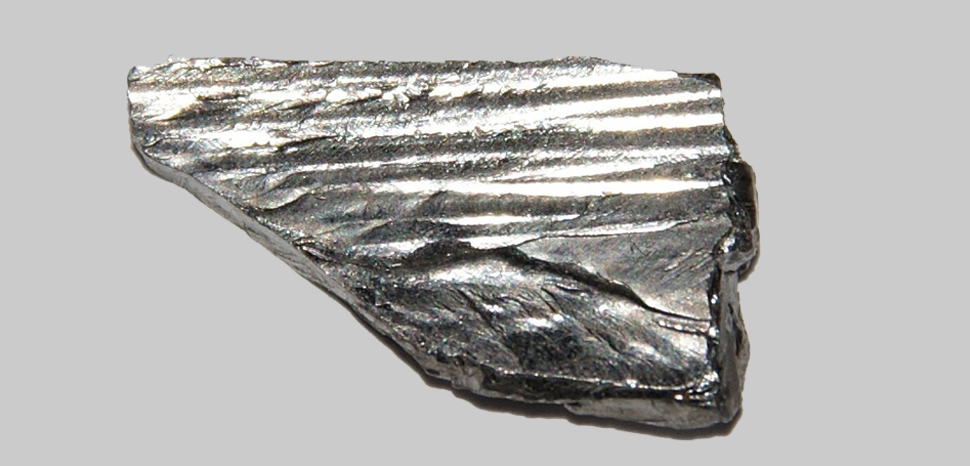
Tantalum is a refractory metal, known for its high levels of resistance to heat, water, and corrosion. It is also a ductile metal, meaning its malleability allows it to be used in very thin layers, like wire, with little to no risk of fracture. These properties have made Tantalum valuable in a growing number of industries. Over the past 20 years, tantalum has featured most prominently in the electronics and semiconductor industries, where it can be found in capacitors which store and release electricity in a circuit. These capacitors are used in small items, like smartphones, as well as larger products that serve the advanced technology needs of the space and medical industries.
However, tantalum’s utility has largely increased due to its appeal as a superalloy, where it is expected to play a growing role in next-generation technologies for the energy and defense industries. Products like turbine blades, rocket nozzles, and nose caps make use of tantalum due to its strength and resiliency under pressing conditions. A growing amount of attention has focused on tantalum’s application to atomic weapons, where it has been floated as a potential input for “salted bombs”, which increase a weapon’s radioactive fallout to span a larger geographic area.