Tungsten is the latest critical input on the minds of officialdom in Washington and Brussels. The exceptionally hard metal is found in everything from armor-piercing munitions to battery anodes, yet China has managed to consolidate control over much of the global supply chain, causing disquiet in the West. Such dependency concerns are nothing new. In World War II, cutting off tungsten (also called wolfram) supply starved the Axis war machine in the final years of the war. The lessons of WWII led to the establishment of an extensive strategic stockpile in the United States through the Cold War years; these lessons were then forgotten as the stockpiles were liquidated, and are now in the process of being re-learned in a global scramble to secure critical minerals supply chains. This article explores the strategic importance of tungsten and ongoing efforts to re-establish reliable supply of this critical metal.
Tungsten Supply Drivers
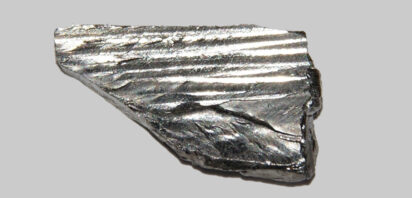
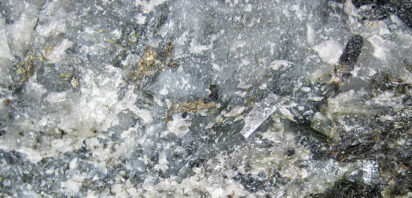
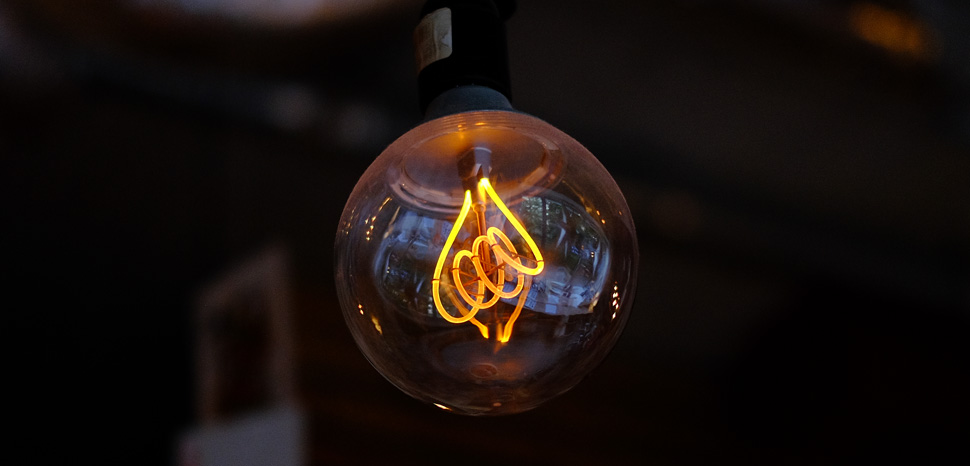
Tungsten is a hard, silver-colored transition metal that features the highest melting point and tensile strength of all metals. It is further distinguished in its high resistance to corrosion and suitability for recycling. Although the metal was once most commonly known for its visible presence in incandescent light bulbs, tungsten has become a critical input for industries like construction, mining, electronics, and defense. As an alloy, it is prevalent in everything from rocket-engine nozzles to wind turbines. Just one product of the metal – cemented carbide – constitutes over half of tungsten’s applications due to its desirable properties in industrial tools that manufacture cars and planes. Tungsten is also an essential input in the drilling and cutting equipment used by construction and mining firms.
Tungsten demand is projected to expand on these and other use cases, notably fueled by the growing needs of the automotive, electronics, aerospace, and clean energy sectors. Short-term market projections are different grades of positive, estimating a compound annual growth rate in the range of 4.5 to 7.5% over the next decade.
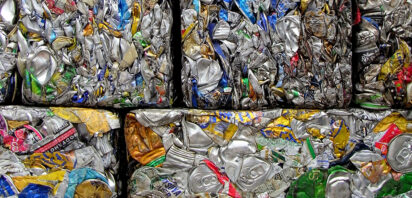
One variable in support of optimistic demand outlooks is the fact that tungsten’s advantages cannot be reasonably substituted with other metals without sacrificing performance and economic considerations. One against is the ease with which tungsten can be recycled and the potential for new innovations to upend forecasts. Secondary supply is already believed to account for approximately 30% of the global tungsten market, and supply concerns are already incubating recycling innovations that could shift the market.