After years of flirting with zero, sovereign yield curves throughout the developed world have gone vertical over recent weeks, triggering a steep sell-off in global bond markets.
The US 10-year Treasury is leading the way, yielding as high as 1.4490 percent in recent trading – a one-year high. Other sovereigns have followed in tow, such as the Australian and New Zealand 10-year notes, both of which are hovering at fresh highs of around 1.85 percent.
The trend can be traced back to January, when yields began creeping upward after Democrats won control of the US Senate. It has only picked up speed since then, and is now sending ripples through equity markets as traders are being forced to reassess some of the high-flying valuations that have coalesced during the pandemic.
Analysis
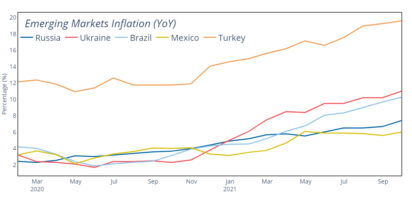
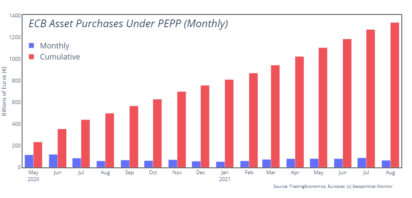
Inflation concerns are center stage here, as yield curves are responding to expectations of where the price of goods is going in the future. These expectations are influenced by two factors: 1) the speed and extent of the post-COVID economic recovery, which generates inflationary pressures that impacts… 2) the timeline of central bank monetary stimulus.
Then there’s the much-maligned M2 metric, that of total money supply. This used to be the conventional bellwether of inflationary doom, but has since fallen out of favor with the advent of modern monetary theory.
In President Biden’s impending $1.9 trillion stimulus package, old school and new school economists will be given a chance to duke it out. It’s quite a divisive question, with some, like former IMF chief economist Olivier Blanchard, arguing that a $1.9 trillion stimulus injection could overheat the economy to the point of ‘incinerating it.’ And others, like present IMF chief economist Gita Gopinath stressing that the inflationary risks are overblown.
With the stimulus package cutting an easy path through Congress, we’ll get our answer soon enough.