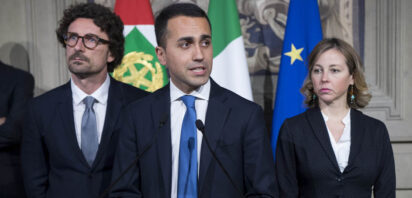
Italy’s general election has produced a eurosceptic surge that left populist parties hostile to the European Union (EU) with a majority of seats in Italy’s two elected chambers, the Chamber of Deputies and the Senate (though the Senate forms the upper house, it holds equal powers with the Chamber of Deputies). However, voters delivered no clear mandate to any single party, resulting in another major EU country facing the prospect of a Germany-style round of political horse-trading until a governing coalition can be hammered out.
If no agreement can be reached, then the prospect of fresh elections looms, and while so far market uncertainty over this setback to European stability has fortunately been limited, that could all change if Italy’s political gridlock continues for months similar to the German situation late last year
Impact
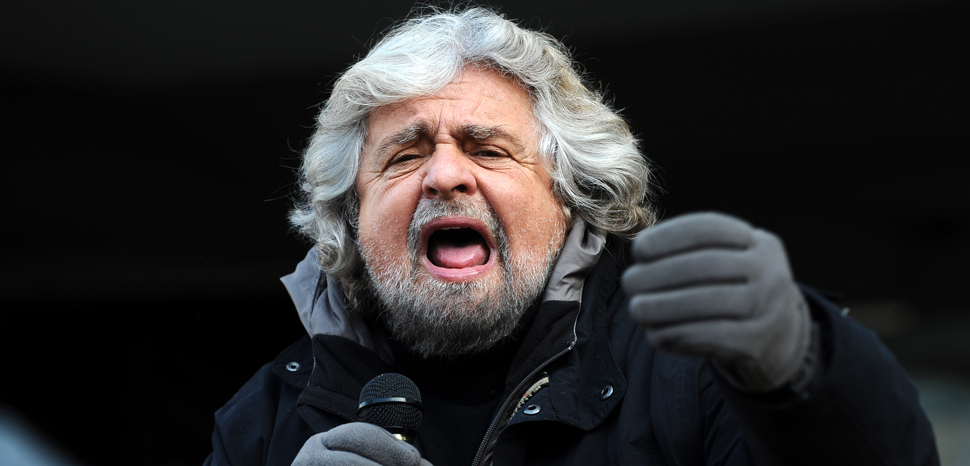
Anti-establishment parties such as the Five Star Movement look to have received over half the votes cast in this election, a stunning rebuke to more established political parties that are increasingly viewed by the electorate as dishonest and too close to Brussels. On the other hand, Italian politics has long been characterized by its unwieldy coalition governments overseen by wobbly prime ministers who last on average a paltry three years in office. Italians, and global markets, are therefore used to the sight of ‘controlled chaos’ at the top of Italy’s political system, and this result fits firmly within the Italian tradition of split political loyalties producing a post-election round of deal-making before a new coalition government can emerge. One major question will simply be whether or not the newly empowered populist political parties in the Chamber of Deputies and the Senate will be disciplined and savvy enough to forge a bloc that’s capable of achieving anything. Another is what fate awaits Italy’s former generation of political leaders such as former Prime Ministers Silvio Berlusconi and Matteo Renzi.