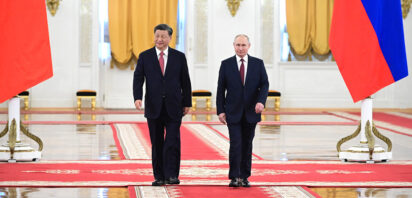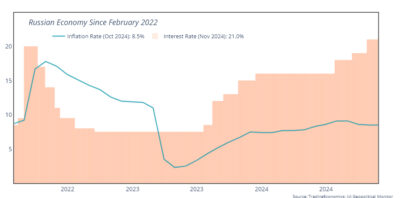
The Kremlin is burning through Russia’s ‘rainy day fund’ to salvage its crumbling economy, which has been hard hit by falling global oil prices and international sanctions. Sanctions are measures used by countries to coerce a government to conform to an international agreement or norms of conduct. From the Ukraine crisis to the Syrian civil war, the U.S. and the European Union are cooperating to hold the Kremlin accountable for its actions.
The Obama administration first launched sanctions against Russia following the invasion of Crimea in March 2014, and the EU followed suit shortly after. Additional sanctions were introduced in late 2016 to express condemnation and punish suspected Russian interference in the U.S. presidential election. Meanwhile, the newest Congress-initiated sanctions passed in late July and signed into effect on August 2 are aimed at restricting President Trump’s ability to ease pre-existing sanction regimes targeting Russia.
These economic embargoes have mainly targeted state banks and major corporations in the energy and the defense industries, both of which are vital to the economy and are seen as extended departments of the Russian government. Moreover, the U.S. is also freezing assets and prohibiting transactions with specific Russian individuals and companies with close ties to President Putin in order to punish the Russian plutocracy.
While the volatility of global oil prices has had the greatest negative influence on Russia’s economy over the short run, the consequences of the Kremlin’s geopolitical maneuvers and counter-sanctions will impact the Russian economy well into the future.
Background
The Past
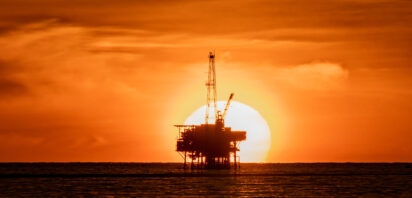
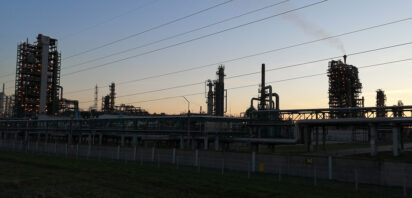
The targeted U.S. and EU sanctions piled additional pressure on an already weak and exposed Russian economy. Russia experienced two major economic shocks in 2014—the first coming after a sharp decline in oil prices in the third and fourth quarter, and the second resulting from sanctions due to geopolitical tensions in Ukraine. Russia has a resource-based economy, with crude oil, petroleum products, and natural gas comprising roughly 58% of its total exports. This means that the Russian economy is highly volatile and subject to global commodity cycles. The price of oil crashed from a high of $112 in the summer of 2014 to $53 by January 2015. Moreover, the price per barrel of oil hovered around $30 for most of the 2016.