If you asked a State Department employee what their worst-case scenario for the Middle East was five years ago, the response might have described what is currently unfolding across the region. State power is on the ebb, sectarian conflict is widespread, and where the prospect of just one power vacuum-turned-terrorist sanctuary would have been anathema to the hawkish US administrations of yesteryear, now there are many.
One such vacuum is Yemen, though few are aware of it because the local government’s struggle has faded into obscurity against the more high-profile disasters of Syria and Iraq.
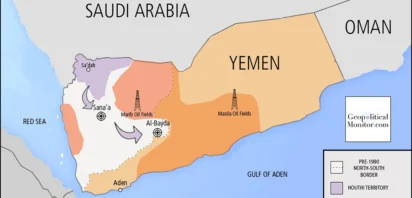
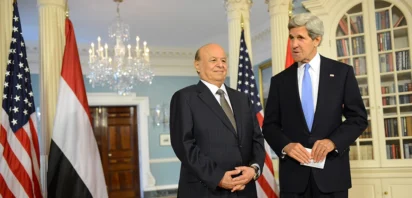
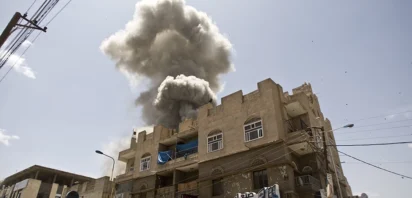
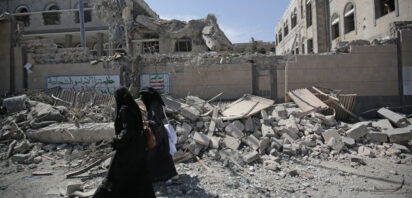
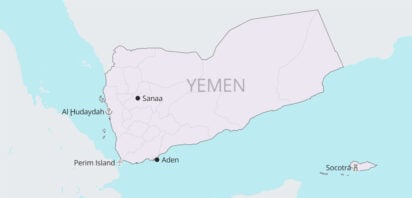
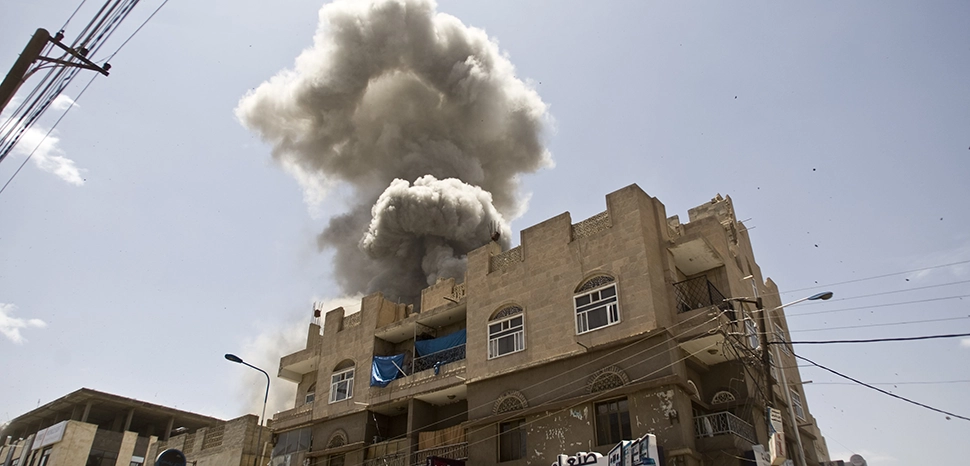
The conflict within Yemen has been simmering for several years. In the north it pits the Shiite Houthis against the government of President Abdrabuh Mansur Hadi in Sana’a. The Houthis have long acted as a pawn in the Saudi Arabia-Iran-Yemen geopolitical game, even drawing the occasional military incursion from Saudi forces into Yemen. The military balance has changed dramatically since the fall of President Saleh in 2011, however, as the Houthis have taken advantage of a weak central government to expand their reach. This latest push against government forces – which has killed over 200 people and displaced around 35,000 – comes after the Houthis rejected a proposal to convert Yemen into a federal state, which they claim would have the effect of elbowing the north out of Yemen’s oil revenues, creating a permanent ‘have-not’ province.
The Houthi rebellion isn’t the only challenge being faced by the Hadi government. Yemen is home to armed Sunni tribal groups, a local branch of Al Qaeda, and a longstanding independence movement based in the south. The presence of so many armed paramilitary organizations, along with the steady retreat of government writ from the hinterland towards Sana’a, has many experts worried that Yemen is about to join the growing ranks of failed states – if it hasn’t done so already.
Deteriorating Security Outlook
At the same time governments around the world were grappling with the stellar collapse of Iraq’s military, Yemen was experiencing its own ‘Tikrit moment’ as Houthis managed to occupy the major city of Amran – just 50km from the capital of Sana’a – after months of clashes with government forces. Needless to say, this represented a major strategic victory for the rebels and solidified their ascent to major player status in post-Saleh Yemen.
The obvious loser in all this is the Hadi government, which has struggled to establish its authority since the fall of President Saleh. It appears that Sana’a’s military options to retake Amran are very limited, and the government instead opted to launch an appeal through the United Nations Security Council for the rebels to leave the city voluntarily. The Houthis have since given signs that they’re willing to retreat, presumably having achieved their intended aim of demonstrating that they can’t be steamrolled in any negotiations on a future federal state.