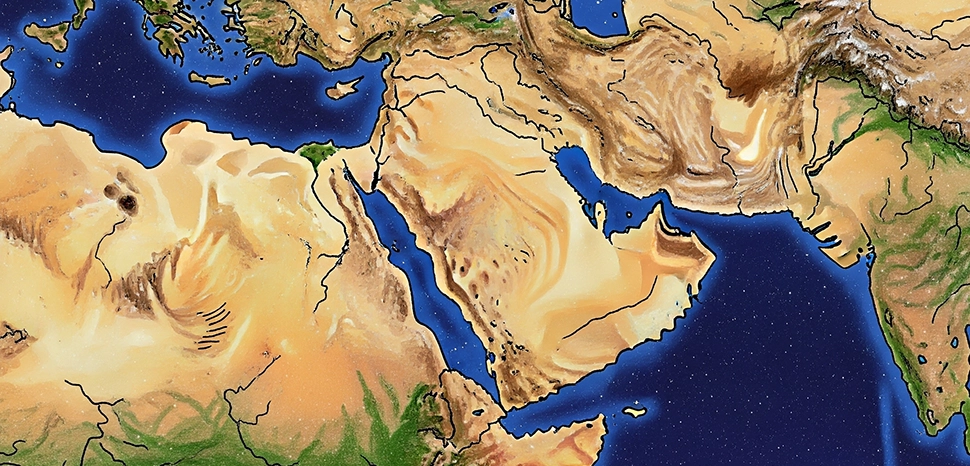
This article will examine some of the defining political, economic, and military trends facing the Middle East in 2014.
Political
US-Iran Talks Take Center Stage
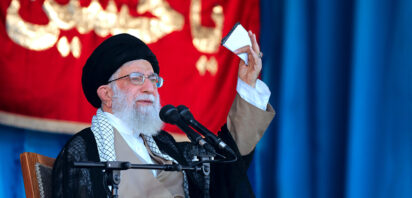
2014 will bring strategic questions that touch on the political, security and military core of the Iranian regime, speak nothing of its regional relationships and alliances. The six-country Framework Agreement began its countdown from the New Year. Thus, the first half of 2014 will be Tehran’s last chance to reach a meaningful deal with the West. It’s highly likely that a deal will be forthcoming as Iran is being forced to reconsider its policies under the pressure of domestic economic hardships and international isolation. A successful deal could change the entire strategic complexion of the region, impacting how Tehran engages in critical political and security issues, such as the Syrian conflict, Lebanon, and relations with other Gulf Arab states. In this sense, 2014 has the potential to be a watershed year for the regional balance of power in the Middle East.
Saudi Arabia Left Behind?
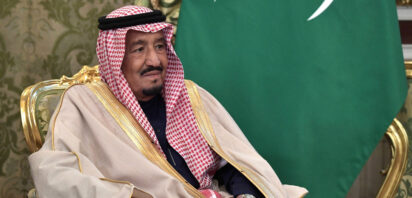
The tentative warming between Iran and the United States has been met with apprehension from Gulf Cooperation Council (GCC) states, particularly Saudi Arabia – Washington’s traditional ally in the region. Saudis fear the expansionist ambitions of Tehran, and believe that any improvement in relations between Washington and Tehran will encourage instability in the region. They are particularly worried that US-Iran talks could lead to concessions by Washington at the expense of Saudi interests, especially since the current rapprochement is coming during a “state of mistrust” between Washington and Riyadh due to the war in Syria. In response, the Saudi government will attempt to establish a primarily Arab coalition to balance against Iran (this time without US backing). But this effort will most likely fail, especially since most GCC states prefer to follow the American lead on Tehran. Many are also unsure about openly antagonizing a state that, once rehabilitated into the international system, could fast become an important regional power. There is also a possibility that the Saudi government might consider supporting violent conflict on the Lebanese front in order to put pressure on the ongoing talks.