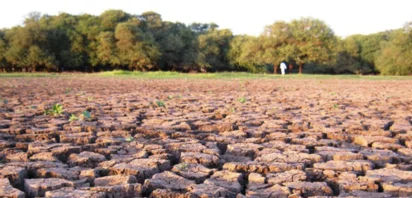
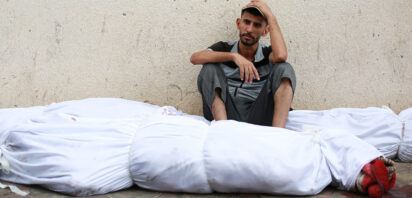
A cursory look at any number of indicators is all it takes to see there are fundamental shifts occurring in the Middle East. There’s the quantitative growth of refugees, most of who are desperately trying to escape the Syrian civil war, water shortages and crop failure, and a steady rise of sectarian murders, kidnappings, and paramilitary militias across the region. There are also the more subjective changes, like the narrowing vocabulary of governments and religious leaders, as longstanding wholes (Iraq, for example) are whittled down into mutually antagonistic parts (Sunni, Shite, Kurd). Finally there’s the tectonic geopolitical shift of US disengagement, which could leave the region without the meddling influence of an outside power for the first time in centuries.
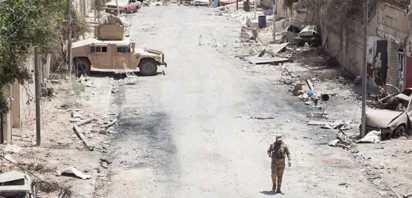
That these trends have unleashed a tidal wave of violence is obvious given the destruction in Syria and the dramatic gains of Islamic State (IS) in Iraq. Less obvious, however, and even more troubling is the fact that these trends are expected to continue and in some cases worsen in the coming decades.
What has Changed?
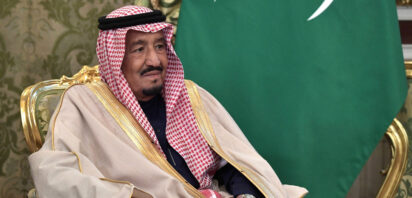
First and foremost, the Obama administration pulled US troops out of Iraq and demonstrated a repeated aversion to militarily recommitting itself to the region – most explicitly in the Syria chemical weapons ‘red line’ saga. This policy shift is motivated by two key factors: war-weariness in the United States following Afghanistan and Iraq, and the rise of alternative energy sources such as hydraulic fracking. It remains to be seen whether the Obama administration will proceed with the previously unthinkable option of ‘rehabilitating’ Iran and stepping aside as Tehran and Riyadh jockey for regional hegemony – though the Saudis would probably argue that the current micro-thaw in US-Iranian relations is producing the same effect.