The latest political tensions in Pakistan, which could see key members of government ousted, threaten to unravel President Obama’s Afghan strategy before it even has the chance to take root.
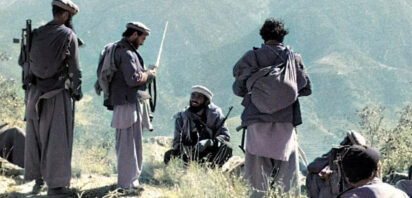
Already facing external pressure from the United States to “do more” in the fight against Taliban militants and prevent Al Qaeda sanctuaries from forming along the Afghan border, the Pakistani government must now also contend with the internal pressure of a Supreme Court ruling that threatens to fundamentally change Pakistani domestic politics.
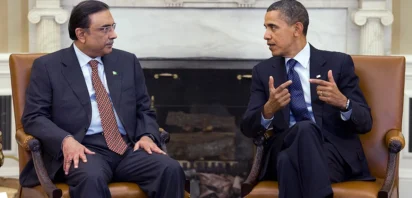
The Supreme Court’s decision last week to annul the 2007 National Reconciliation Ordinance (NRO), which granted amnesty from corruption prosecution to over thirty senior politicians—among them current President Asif Ali Zardari of the Pakistani Peoples Party (PPP), Defense Minister Ahmed Muktar, Interior Minister Rehman Malik, and other political allies in close communication with Washington—comes less than a month after Barack Obama announced his Afghan strategy.
The repeal of the NRO also comes close on the heels of the controversial Kerry-Lugar Bill (KLB). The KLB’s passage managed to stoke anti-American sentiment, particularly in the Pakistani military establishment, who voiced their displeasure over the bill’s military and economic conditions for aid by endeavouring to discredit the already-weak civilian government in Islamabad.