
Afpak Region News & Analysis
Trump Dreams of Bagram’s Geopolitical Reemergence

A return of the Bagram Air Base remains highly unlikely, but movement in this direction reflects a tentative warming in US-Afghan ties.
Geopolitics Weekly (Afghan Earthquake, US Drones, India Military Modernization)

This week we cover a new prime minister’s entry into the fray of Thai politics, President Trump making moves to expand the global market for US drone sales, geopolitical risks associated with a recent earthquake in Afghanistan, and India’s ambitious new military modernization program.
China’s Wakhan Corridor Dilemma: Economic Development or Security?
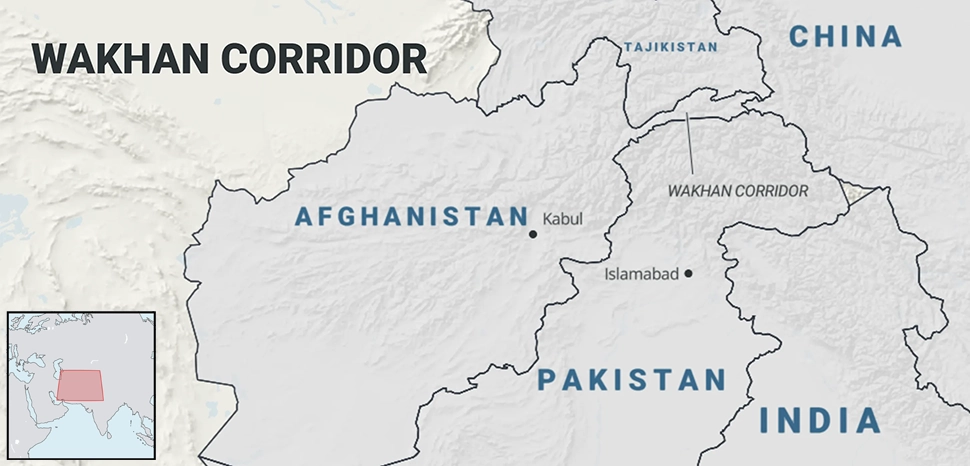
China is moving forward on the development of the Wakhan Corridor, creating a direct land link with Afghanistan. Yet the slow pace of cooperation reflects justified concerns over the security of the route.
The Making of ‘Terroristan’: Pakistan, Afghanistan, and Pashtun Nationalism
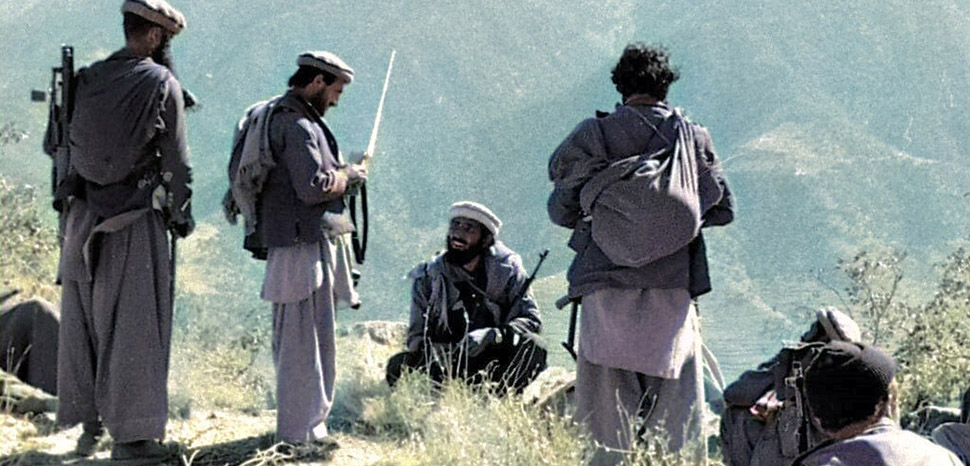
Conventional assessments of the Pashtunwali social code and the history of the Pashtun region tend to overlook the geopolitical and colonial factors that fueled the rise of terrorism in Afghanistan and Pakistan.
Geopolitical Fallout from Taliban Takeover of Afghanistan
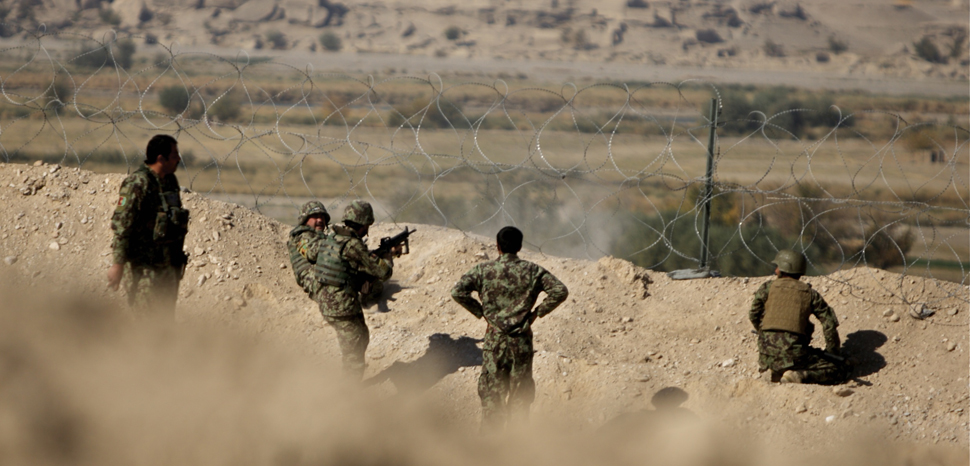
A Taliban-controlled Afghanistan reshuffles the geopolitical deck in a highly strategic region.
Wilayat Khorasan: Past and Present Dynamics in the Af-Pak Region

Tracing the rise of Islamic States Af-Pak affiliate, Wilayat Khorasan.
The Great Game Revived: Russia’s Interests in Afghanistan
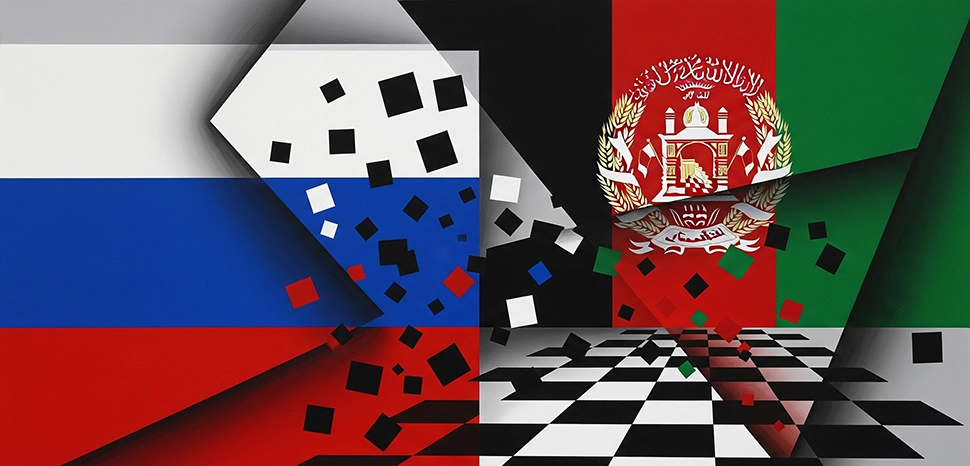
With a US pullout likely, regional players are scrambling to shore up their long-term interests in Afghanistan. This article examines the military and economic objectives driving Russia’s foreign policy there.
The Great Game Revived: Pakistan’s Interests in Afghanistan
With a US pullout likely, regional players are scrambling to shore up their long-term interests in Afghanistan. This article examines the military and economic objectives driving Pakistan’s foreign policy there.
Belt and Rage: China Consulate Attacked in Karachi

The attack in Karachi reflects animosity toward Chinese investment in Pakistan’s tribal regions. It may also be a sign of things to come.
Backgrounder: 2018 Pakistan Elections
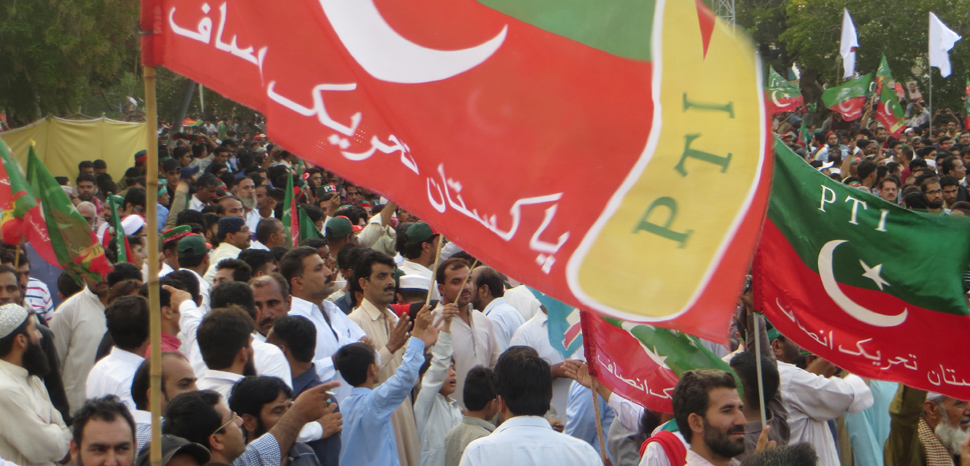
Millions of Pakistanis will head to the polls on July 25 to elect a new government, braving a wave of election-related violence across the country.
Pakistan Teeters on the Brink of Economic Crisis in 2018
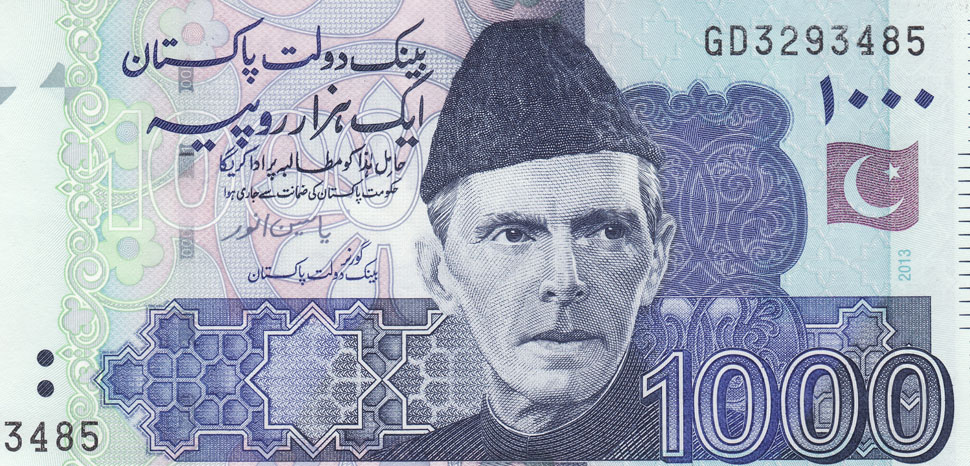
In an echo of the country’s brush with catastrophe in 2013, Pakistan is once again hurtling toward a currency crisis.
The Afghanistan War under Trump
President Trump has ruled out negotiations with the Taliban just as a BBC study revealed the militant group’s sprawling presence over large swathes of Afghanistan.
Pakistan-US Relations: Self-Denial is the Biggest Threat to World Peace

Warped views on both sides of the bilateral equation are acting as a destabilizing force.
Taliban Leader Mansour Killed in US Drone Strike

The removal of Taliban leader Mullah Mansour will resonate in the AfPak region for years to come.
Pakistan Tensions Jeopardize Afghan Strategy

The latest political tensions in Pakistan, which could see key members of government ousted, threaten to unravel President Obama's Afghan strategy before it even has the chance to take root.
A New US Surge in Pakistan?
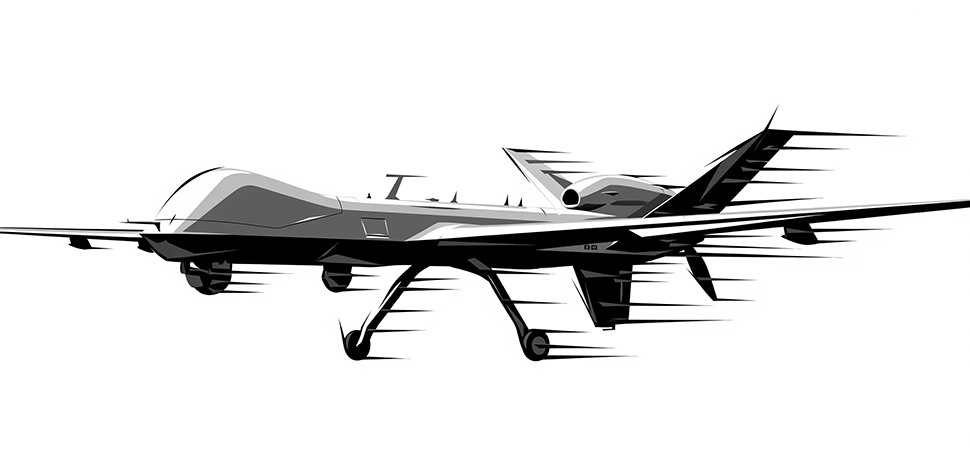
President Obama’s decision to deploy an additional 30,000 troops in Afghanistan has obscured an equally important development: the intensification of U.S operations in Pakistan.
2008-2009 Israel-Hamas War
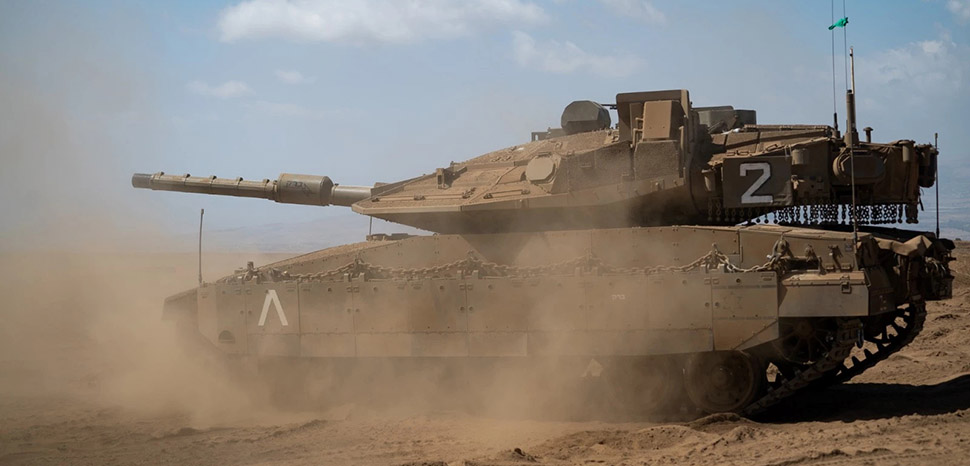
The 2008-2009 Israel-Gaza War enters its second week, with no signs of letting up any time soon.
Canada’s Role in NATO Operation in Afghanistan
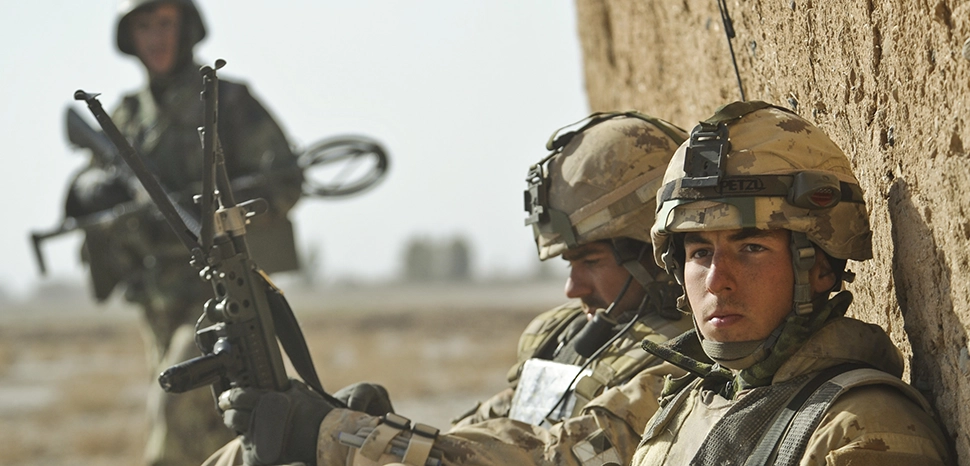
Canada’s combat role in Afghanistan will almost certainly end in a little over two years, if not sooner, due to a convergence of recent events.
Conspiracy Surrounding Mumbai Attacks?

Just who was behind last week’s terrorist attack in Mumbai, India? Of all the players involved, everyone seems to have been advantaged by the carnage. It may be too early to determine just who the mastermind is, but a careful analysis of quickly unfolding events ought to reveal just who had the most to gain – and, in geopolitics, the player with the most to gain is usually the culprit.