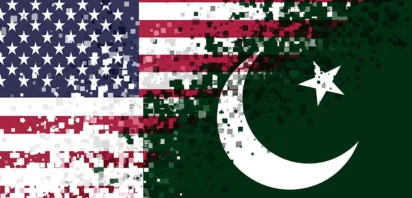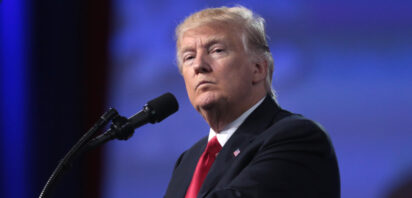
The US-Pakistan relationship got off to a rocky start in 2018 when US President Donald Trump chose to publicly attack his South Asian ally in the first tweet of the year. The tweet essentially accused the Pakistani defense establishment of betrayal: Trump said that the U.S. had sent $35bn to Pakistan since the start of the War on Terror, but that Pakistan had sheltered anti-American terrorists and “given us nothing but lies and deceit.” Pakistan summoned the US ambassador to explain the president’s comments, and announced a series of high-level meetings among its politicians, military officials, and diplomats to discuss the ramifications of deteriorating ties between Islamabad and Washington. Trump’s harsh words drew praise from India and Afghanistan, but China was quick to back its close ally and defend its record of fighting Islamist terrorism.
Background
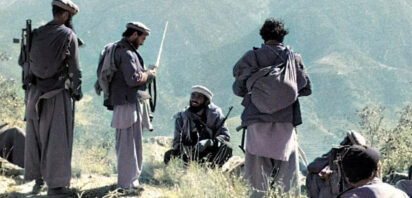
Ties between Washington and Islamabad have been strained ever since the George W. Bush administration, which allegedly threatened to “bomb Pakistan back to the stone age” unless it joined the fight against al-Qaeda and the Afghan Taliban following the September 11 attacks according to Pakistan’s former military ruler Pervez Musharraf. Pakistan’s defense establishment has longstanding ties to both the Afghan Taliban and the Haqqani network, ties it views as essential to preventing a pro-India Afghan government from ever completely consolidating power and thus threatening Pakistan with a future war on two fronts. These tensions were on display when former US President Barack Obama ordered the operation to assassinate al-Qaeda leader Osama Bin Laden in 2011. He did so without informing the Pakistani government due to suspicions that elements within the political/security establishment were sheltering the infamous militant.
President Trump’s latest tweets therefore merely make explicit a longstanding mistrust of Pakistan within US defense and political circles.