At least one death has been reported along with dozens of injuries following a protest in Iran’s southern city of Khorramshahr on Saturday night. At issue for the demonstrators was not the cratering rial or scarce job opportunities, but rather a more fundamental aspect of human life: clean drinking water.
Additional protests were also reported in the neighboring city of Abadan on Sunday night.
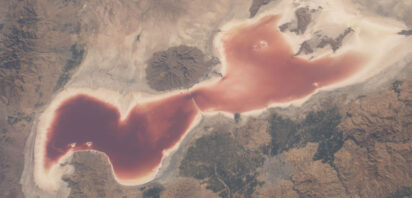
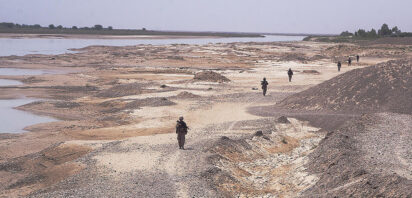
The ongoing diplomatic drama surrounding the fate of the Iran nuclear deal has obscured a less visible but equally consequential slow-motion environmental disaster in Iran, one born of poor planning, government mismanagement, and changing weather patterns.
The weekend protests are not the first evidence we’ve seen of water conflict in Iran. They certainly won’t be the last. And at Tehran’s present moment of economic vulnerability, water scarcity risks triggering a wider wave of instability much like it did in Syria, where a small rural protest by displaced farmers eventually spiraled into civil war.
Impact
Water availability, whether for domestic use or industry, is increasingly a problem in Iran, and one that’s not just limited to the southwest region where protests broke out over the weekend. Earlier this year, five days of continuous protests were reported in Isfahan, Iran’s third-largest city located thousands of kilometers from Khorramshahr. Farmers also took to the streets in the small town of Varzaneh in February, triggering solidarity protests in rural areas throughout Isfahan and Khuzestan provinces.