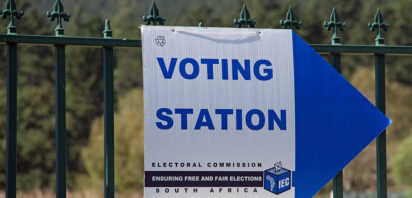
The results of Venezuela’s presidential election have sparked controversy and unrest. Nicolás Maduro, in power since 2013, was declared the winner by the government-controlled National Electoral Council (CNE), a claim disputed by the opposition. Maduro’s unpopularity in the polls, combined with numerous reports of irregularities, have led to widespread skepticism about the election’s legitimacy. The problems began even before the polls were conducted, as opposition candidate Maria Corina Machado was banned from running. During the voting, opposition monitors were blocked from entering many polling places, and the CNE has been roundly accused of failing to transmit all voting data to the central processing center, essentially leaving a large number of votes uncounted.
Available evidence suggests that the opposition candidate, Edmundo González, won by a wide margin. According to calculations using the results of 79% of voting machines , González received 6.89 million votes, nearly half a million more than Maduro. However, updated results from the National Electoral Council (CNE) indicated that, with 96.87% of the vote counted, Maduro had 6.4 million votes and González 5.3 million. This counting discrepancy has unleashed a wave of widespread protests and the situation has yet to stabilize.
The election crisis is unfolding against a backdrop of economic collapse. Under Hugo Chávez (1999-2013) and Nicolás Maduro, Venezuela’s GDP declined by 75%, transforming it from one of South America’s richest countries to one of the poorest. Once thriving on oil wealth which peaked in the late 1990s, Venezuela now faces widespread hunger, crime, and corruption. Over 95% of the population lives below the poverty line, and hyperinflation has rendered the currency nearly worthless. Basic goods are scarce, and the healthcare system is collapsing. Malnutrition and preventable diseases are rampant, especially among children. Public trust in the government has eroded, leading an estimated eight million Venezuelans to pick up and flee the country.
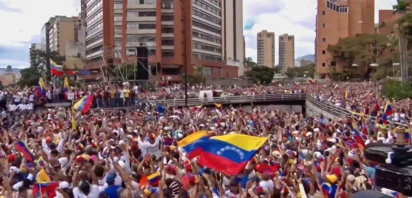
Following publication of the election results, protests erupted across Venezuela. Demonstrators tore down statues of Hugo Chávez and blocked major highways. The regime responded by criminalizing dissent, arresting protestors, opposition leaders, and poll watchers. Maduro, who has consolidated power over the military, police, judiciary, and media, has asked citizens to inform on protestors via the government app VenApp. Human rights organizations see the app as a new chapter in technological repression. The government has also launched a Telegram channel, “Hunting Guarimbas,” to share photos and videos of protesters, asking citizens to help identify them. So far, at least 1,000 protesters have been arrested, including two journalists. A news editor has been shot, and 16 people have been killed.