The United States has begun signalling a new strategy in the seven-year long Afghanistan War: peace talks with the Taliban.
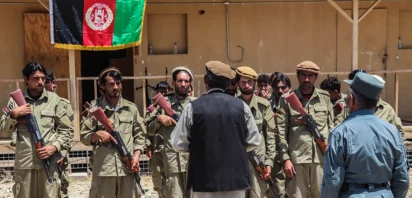
The about face in American strategy in Afghanistan comes amid a growing Taliban insurgency that has crippled Kabul’s influence in the Pashtun south, and extended into the Pashtun areas of northwest Pakistan. US Defense Secretary Robert Gates revealed the turn in American strategy a little less than a month ago when he declared that ultimately political reconciliation with the Taliban is not only necessary to ending the Afghan conflict but, in his words, “conceivable”.
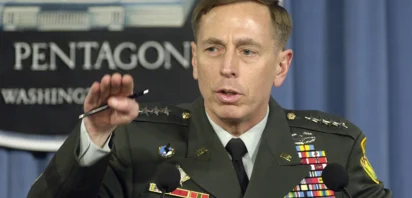
Ever since Gates’ revelation, focus has centred on General Patreaus, who became the new Chief of CentCom (including responsibility for the Afghanistan theatre of war) October 31. Patreaus, who is credited for drastically reducing anti-American violence in Iraq by controversially making peace with anti-American Sunni insurgents, is widely expected to apply a similar strategy to Afghanistan: make peace with the insurgents, surge in American troops into key trouble spots, and pay huge ransoms to local tribal leaders to turn against foreign fighters.
In fact, Patraeus has already tacitly signaled just that, by declaring that he will look beyond military means to conduct American strategy in Afghanistan. In doing so, Patraeus echoed comments earlier attributed to the top British general in Afghanistan proclaiming that there is simply no military solution to the Afghanistan conflict, a sentiment already publicly condoned by the British Prime Minister.
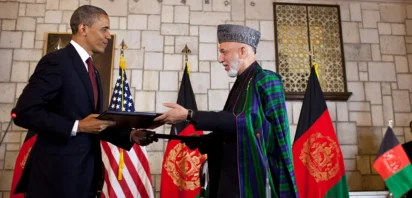
American acceptance of a political reconciliation with the Taliban mirrors recently held peace talks between the pro-American Karzai government in Kabul and the Taliban held in Saudi Arabia, under the sponsorship of the Saudi Islamist monarchy.