In the lead-up to the 2016 US presidential election, Geopoliticalmonitor.com is examining the competing platforms and gauging their geopolitical impact in terms of bilateral relations, free trade, security issues, and political risk.
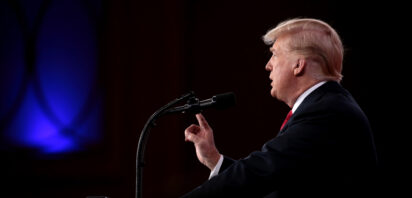
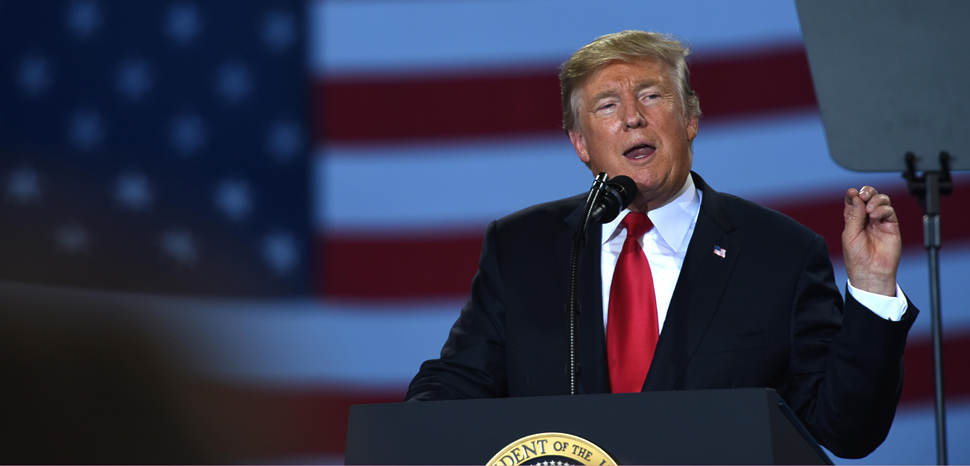
The dust has settled and we now have our US presidential field (Sanders die-hards notwithstanding). For the Democrats, Hillary Clinton represents a degree of continuity from the Obama era, and her nomination was only surprising insofar that it took her so long to overcome a spirited push from Bernie Sanders. On the Republican side, Donald Trump’s ascendance caught many by surprise, and his brash, outsider style could challenge some of the unquestioned truths of the US foreign policy establishment should he triumph in November.
Though the demands of the office will ultimately temper some of the bluster of the campaign trail, the two candidates have represent distinct foreign policy visions, each with their own geopolitical consequences.
This Geopoliticalmonitor.com article series will first summarize the two candidates’ views in a broad sense, and then delve into the geopolitical consequences in a case-by-case manner.
Hillary Clinton
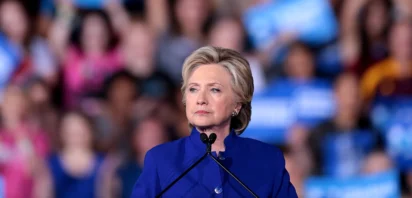
Though Clinton’s recent foreign policy speech was mostly devoted to pointing out why Donald Trump is not fit for office, the former first lady, senator, and secretary of state’s extensive public record provides more than enough to form an idea of her foreign policy views. Broadly speaking, Clinton is considered hawkish for a Democrat – more so than President Obama, and arguably even more so than Trump. She is very much the ‘establishment’ candidate in terms of foreign policy, championing a platform that does not contain many surprises.