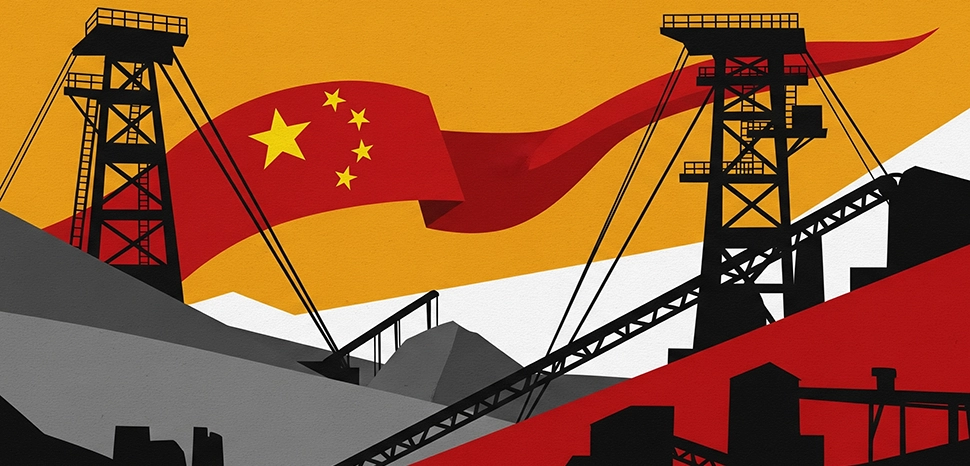
China accounts for over 90% of the global output of rare earth metals, a key component in smart phones, computer hard drives, and catalytic converters in cars. In 2010, China announced it would impose an export quota on the valuable metals, sending several developed economies – notably Japan, which relies heavily on the production of electronics – into a bit of a panic.
China is not the only country sitting on large rare earth deposits. The metals are not so ‘rare’ as their name implies, and can be found in inner Asia, Australia, parts of Namibia, and the United States. However, the refining process is both costly and environmentally damaging to an extent that most countries are unwilling to mass produce at levels required to meet global supply.
Beijing’s scaling back of exports has been seen as an attempt to set global prices. Limiting the amount of rare earths the country is willing to export established artificial prices for a valuable commodity, which rankled customers in the developed world.
In March 2012, the United States, European Union, and Japan lodged a suit against China in the World Trade Organization (WTO), arguing that the Chinese export quota violated the spirit of the world trade body. In late March, the WTO agreed. China has since filed an appeal, but sources within the government have indicated that preparations are underway to abide by the WTO decision.
As a result, China will scrap its export quota but impose high taxes to keep the prices of rare earth metals artificially high.
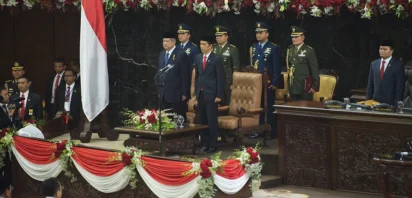
Elsewhere in Asia, Indonesia has been proving a headache for metals producers following its implementation in January of a law to ban the export of unprocessed ore. The ban hopes to benefit the domestic mining industry by forcing producers to refine within the country. The measure has hit major mining firms Freeport-McMoRan Copper & Gold and Newmont Mining particularly hard, as they have had to halt the export of millions of tons of copper and nickel from their Indonesian mines. The two firms account for 97% of the country’s copper output.
Pressure from Russian firms RusAl and Norilsk Nickel caused Jakarta to ease the blanket ban on metal ore exports to include only bauxite and nickel. According to reports, the Russian firms only agreed to accede to Jakarta’s demands to build smelters after Indonesia implemented the ban on those specific exports, thus driving up the price of the metals by halting around $3 billion worth of exports.