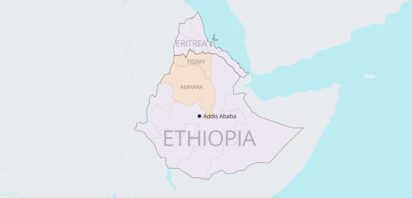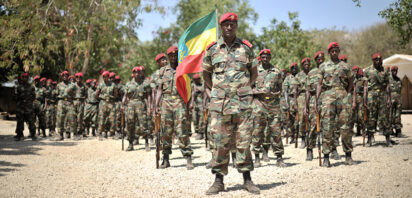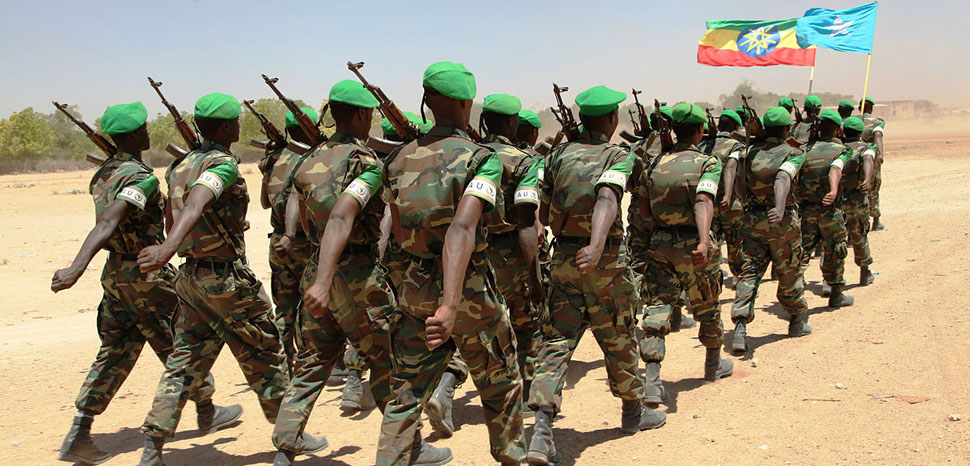
Violent clashes have been reported in Ethiopia’s northern Tigray region since early November. According to the central government led by Prime Minister Abiy Ahmed, the violence broke out when forces affiliated to the Tigray People’s Liberation Front (TPLF) attacked a military base, thus prompting the executive to launch a military operation in the region. Fighting has been raging since then, raising fears that Ethiopia – a country with pronounced and longstanding sectarian cleavages – may plunge into civil war.
Far from being a purely local problem, the destabilization of Ethiopia would have serious consequences on the Horn of Africa and beyond, especially if a state of prolonged conflict and economic downturn results in a new surge of Europe-bound migrants.
Background
Fighting Breaks Out
The situation in Tigray began degenerating around November 4, when the federal government led by Prime Minister Abiy Ahmed declared a state of emergency and ordered the army in the area. The decision came as a response to an alleged attack on a military base by Tigrayan forces affiliated to the TPLF, the dominant political force in the region.
Yet tension between the central authorities and Tigray have been mounting for years now. Tigray is a strategically-located region, as it represents Ethiopia’s gateway to Eritrea and thus to the Red Sea. It is home to an ethnic minority that represents only 7% of Ethiopia’s 108 million population, but one which, up until very recently, held most of the political and economic power in the country for a span of over 25 years.
The TPLF previously played a central role in national politics following the collapse of Ethiopia’s communist regime in 1991. Ethnic Tigrayans thus controlled key posts in the government and the economy, but the situation changed when Mr. Abiy became prime minister in 2018.
During his time in office, Abiy has attempted to reform the country and centralize power in the hands of the federal government, a plan that put him at odds with the TPLF. He removed many Tigrayan leaders from positions of power, and pushed to transform the ruling EPRDF coalition – composed of separate ethnic-based parties – into a single unitary political force known as Prosperity Party (PP). The TPLF opposed the changes, viewing them as part and parcel of Abiy’s efforts to scrap Ethiopia’s federal structure.