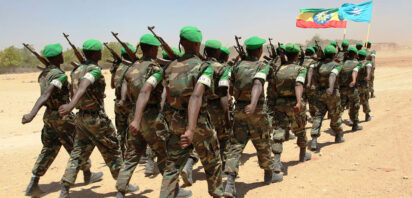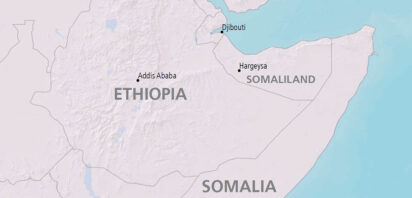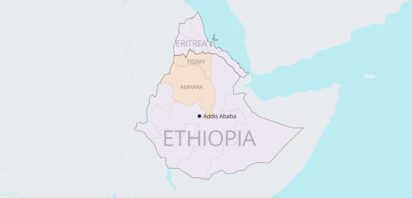
A previous situation report from mid-October detailed how Addis Ababa hoped to push its advantage in military hardware (notably lethal drones), essential supplies, and morale by launching a renewed campaign to bring the northern region of Tigray back under central government control.
That campaign is now in total disarray. Not only does Tigray remain in the hands of the Tigray People’s Liberation Front (TPLF) and its allies, but the government has actually ceded territory since the offensive began.
Analysis
The TPLF and allied forces made swift progress over the past week, capturing the towns of Dessie and Kombolcha along Highway 2, which runs from the capital of Tigray to Addis Ababa. By some accounts, rebel forces are already on the outskirts of the capital and could launch an attack at any time.
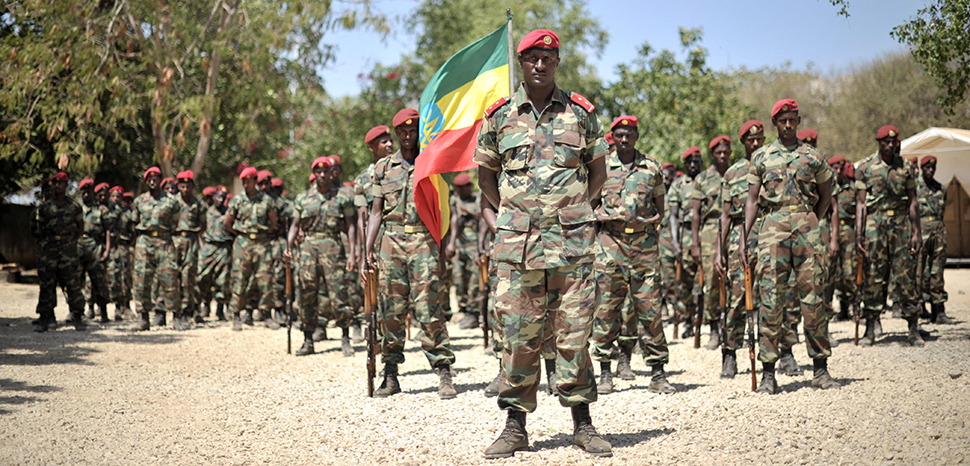
The success of Tigrayan forces hinges on two factors: 1) their ability to hook up with troops from the allied Oromo Liberation Army (OLA), whom have moved up from the south; and 2) the pervasive disorganization of government forces.
The OLA split from the Oromo Liberation Front (OLF) in 2018 after rejecting the Abiy government’s peace deal with the OLF, an ethnic self-determination movement which had been outlawed since its formation in the 1970s. Both groups broadly seek to advance Oromo interests. The OLA, originally the armed wing of the OLF, has demonstrated more of a willingness to resort to violence to achieve its aims, at least recently; for example, by targeted violence toward ethnic Amhara people living in Oromo areas.
There is no love lost between the two groups, as Oromos suffered frequent oppression under decades of rule by the Ethiopian People’s Revolutionary Democratic Front (EPRDF), which was dominated by Tigrayans through the TPLF. However, both have a shared objective of defeating the Abiy government and overturning its vision of a centralized Ethiopian state apparatus, and both have longstanding grievances with Ethiopia’s other major ethnic group: the Amhara.
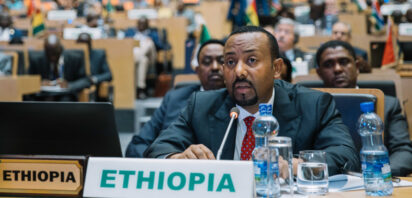
The expanding geographic scope of the conflict, along with the entry of new ethnic militias, signals further escalation toward full-fledged civil war – an outcome that has long been feared in a country that combines fragile political institutions with sweeping ethnic and linguistic diversity. Though it’s true that both the OLA and TPLF have been unwilling to enter into talks with the central government, Prime Minister Abiy has done little to calm tensions. Earlier this week the former Nobel Peace Prize winner vowed to bury the government’s enemies ‘with our blood and bones,’ adding that ‘the pit which is dug will be very deep; it will be where the enemy is buried, not where Ethiopia disintegrates.’ In another indication of the seriousness of the challenge posed by the TPLF/OLA offensive, the prime minister declared a six-month state of emergency which paves the way for forced conscription and powers of arbitrary arrest. Elsewhere, there have been reports or ethnic Tigrayans being rounded up in the capital.