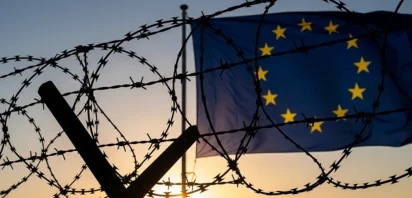
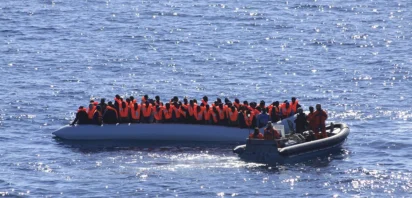
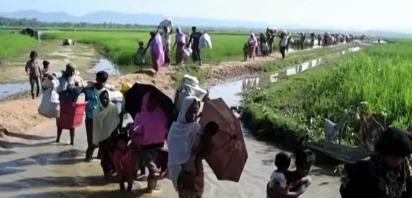
Europe is currently grappling with an unprecedented influx of refugees from war-torn countries such as Syria, Iraq, Afghanistan, and Eretria, putting further strain on a political fabric already frayed by the Greek sovereign debt crisis. The numbers are daunting – 107,000 refugees entered Europe in July, up from 70,000 in June, and Germany alone is expecting 800,000 asylum applications in 2015.
The crisis comes at a bad time for Europe’s grand experiment. The saga of the third Greek bailout has soured relations among certain EU member states and, similar to fiscal policy, external immigration is outside the scope of Brussels and remains a closely-guarded responsibility of national governments. Although the crisis demands a coordinated, regional approach if there’s to be any hope for a solution, it’s almost certain that one won’t be forthcoming, and the mere attempt to negotiate one could kick the hornets’ nest of national blowback against what is viewed by many as unwanted dictates from the mandarins in Brussels.
In other words the refugee crisis is an incendiary issue for populations that are already suffering from EU fatigue, and no one is more aware of this than their own national governments. This explains the tepid response to the Franco-German proposal of refugee quotas from London, Budapest, and Prague, and the tightening of regulations elsewhere such as in Copenhagen.
Germany, which has pledged to take on the most refugees, will take on 800,000 asylum seekers at an estimated cost of 10 billion euros in 2015 – enough to transform Chancellor Merkel into a figure of almost religious veneration among Syrian refugees. Berlin’s economic power allows for such a position. As Merkel said, “Germany is a strong country; it will manage.” The chancellor also has the individual political strength to push the plan through. And though her polling numbers have slipped a bit first with the third Greek bailout and now with the refugee crisis, she is still 37 points ahead of SPD Chairman Sigmar Gabriel, her presumed challenger in the still-distant 2017 federal elections.