The Greek sovereign debt crisis can be viewed as a microcosm for the global economy. Through the 2000s the Greek government, already heavily indebted, gained access to cheap finance via debt markets that had been lulled into a false sense of EU-phoria. Athens put this easy money to use with a starkly short-term outlook: juicing public wages, expanding pension schemes, and staging the $15 billion vanity project of the 2004 Olympics. When ratings agencies and bond investors finally wised up in 2009, there was no money left to pay down Greece’s towering debts. And the rest is the woeful piece of history now unfolding before our very eyes.
This dynamic isn’t far off from what is now unfolding on a global scale.
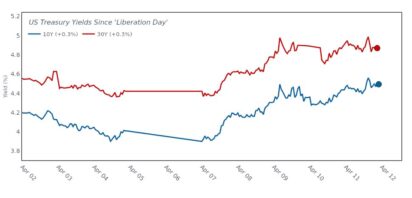
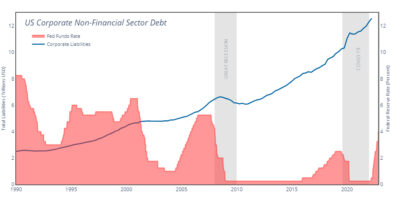
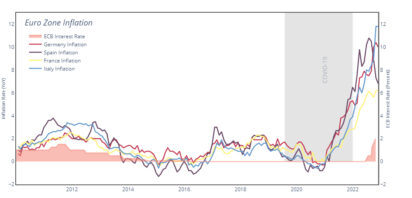
The first unsettling parallel is easy access to cheap debt. This has been accomplished in economies worldwide by an unprecedented wave of loose central bank monetary policies. As a new, eye-opening report from the Bank of International Settlements (BIS) argues, global interest rates have never been so low for so long. In some instances such as the European Union, yields have been pushed into negative territory by ECB easing policies. As the report’s authors put it: “the unthinkable has become routine.”
Government yields are supposed to be a function of the risk involved – greater risk nets a higher return on investment. Yet aggressive monetary policies have pushed these yields down and allowed for borrowing activities above and beyond what market forces would deem prudent. Thus the goal of these artificially low interest rates – stimulating aggregate demand – is coming at the potential expense of long-term economic health. This is especially true because the fallout from a massive shock like a sovereign debt crisis or a financial meltdown ala 2009 is on the whole more damaging than the windfalls accrued in the debt-fueled boom leading up to it.