
Indo-Pacific Security News & Analysis
Sovereignty, Airpower, and the Limits of Alliance Integration
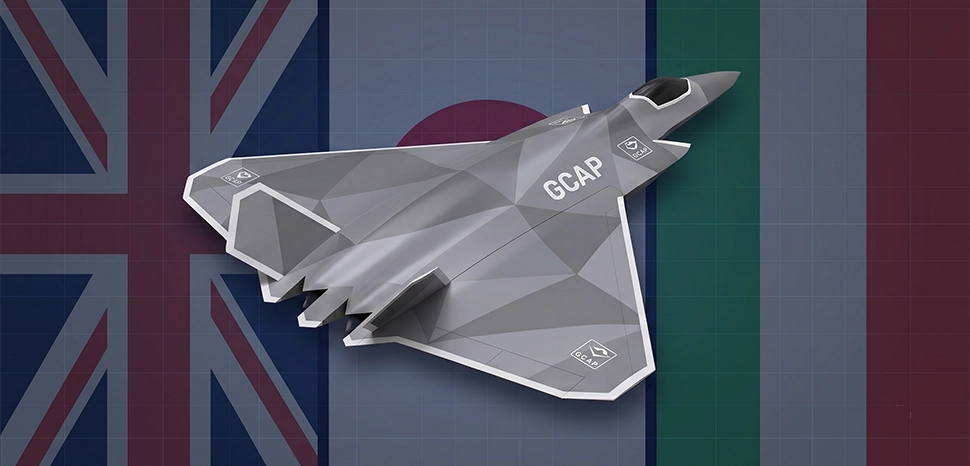
The question is not whether a sixth-generation fighter can be built. It’s whether these aircraft will be able to operate effectively in the environment they are being built for.
How Trump’s Marine Monument Announcement Counters China in the Pacific
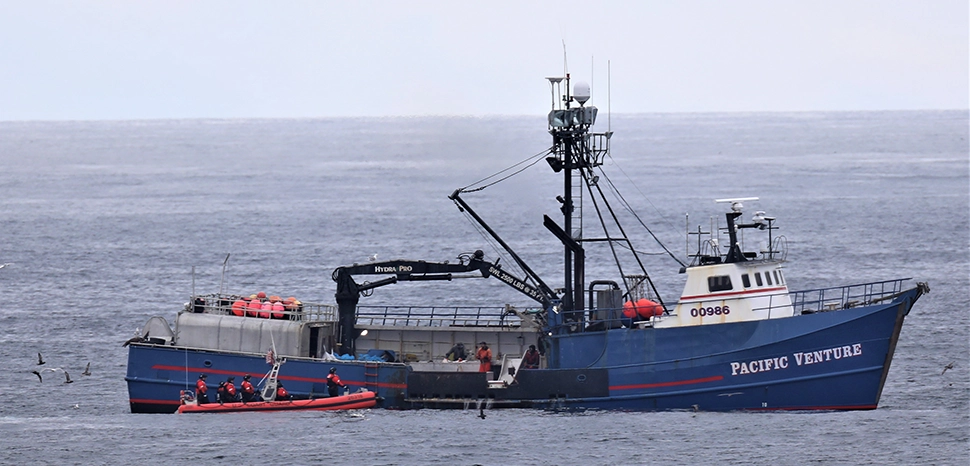
President Trump's maritime national monument order has been viewed as a deregulation story. But it's also a strategic one that places US civilian vessels in close proximity to China’s irregular maritime forces in the Pacific.
Able Archer 83 and the Dual-Contingency Trap: Lessons in Effective Deterrence

Able Archer 83 showed how a routine Cold War military exercise could escalate toward nuclear confrontation. The US, Japan, and South Korea can learn from it when preparing for a dual contingency in the Indo-Pacific.
Capability Gaps and Uneven Implementation: Canada’s Indo-Pacific Strategy

Canada is present in the Indo-Pacific, but its engagement lacks the policy and material discipline required to shape outcomes. The costs of this approach will only increase as China consolidates its influence in the region.
South Korean Sub Docks in Canada as Decision Looms on RCN Procurement

A port visit at CFB Esquimalt by a Dosan Ahn Changho-class submarine is meant to demonstrate strategic and industrial benefits of the Hanhwa Ocean bid ahead of Ottawa’s final decision on who will supply the next generation of RCN submarines.
China’s PL-17 Missile Ripples through Indo-Pacific Defense
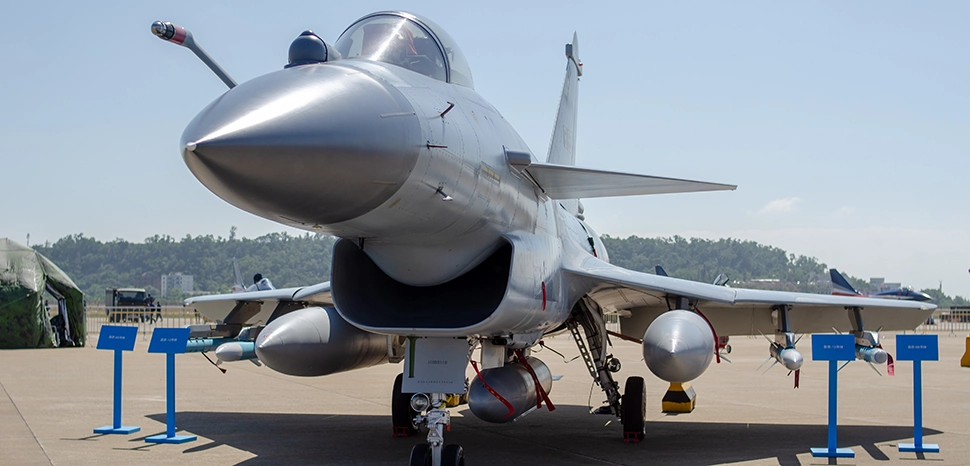
With a reported range of 400 km, China’s PL-17 air-to-air missile puts enemy AWACS and ISR platforms in play, potentially upending longstanding military certainties across the Indo-Pacific.
Europe’s EPAA: A Blueprint for Northeast Asia Missile Defense
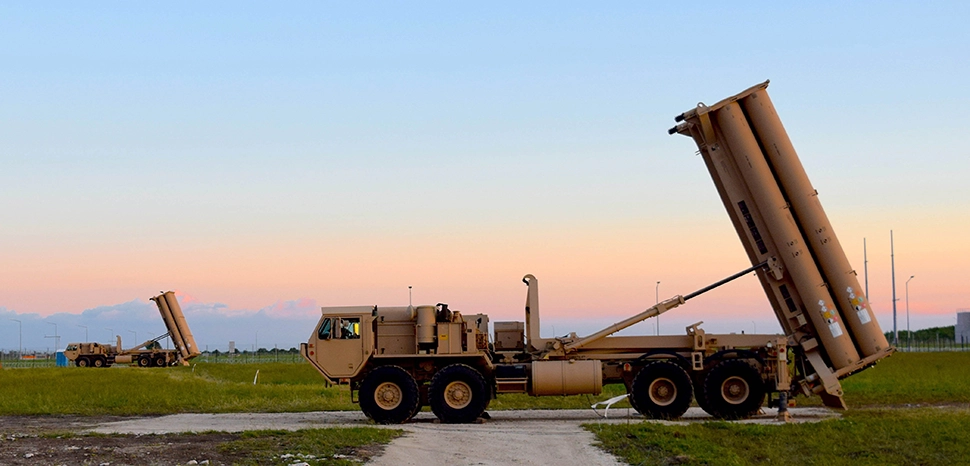
In an era of precision saturation attacks and resource restraint, missile defense will be defined less by the number of interceptors than by the coherence of the regional architecture behind them.
China’s PLA Navy: A Peer Competitor Emerges

Examining the force structure, doctrine, and capabilities of China’s PLA Navy after decades of modernization and rapid shipbuilding.
Manila Turns to Minilateralism to Shore Up Security

The ‘ASEAN Way’ has failed to protect Philippines sovereignty in the South China Sea, so Manila is taking matters into its own hands and pursuing minilateral agreements with likeminded powers.
New Tokyo-Manila Maritime Pact Signals Shift in Indo-Pacific Security

The recent Japan–Philippines pact is not simply about defense. It is about determining whether the most stabilizing elements of the old order can be salvaged via minilateralism and conventional deterrence. Failure means fragmentation, and ‘might’ eclipsing ‘right’ in the Indo-Pacific.
Prabowo and Albanese: Turning Ceremony into Accountable Security Partnership

The recent Prabowo-Albanese summit provides an opportunity to reshape regional stability — so long as the resulting legal framework is grounded in oversight, the agenda is broadly developmental, and transparency guides the partnership.
Shaping Undersea Geopolitics: The Rise of Fifth-Generation Submarines

In an era of intensifying geopolitical competition, rising crises, and heightened maritime tension, the A26 and similar submarines illustrate that undersea warfare is no longer the exclusive domain of nuclear powers.
Jakarta’s Courtesy Calls to Pyongyang: A Risk Worth Taking?

Indonesia’s outreach to North Korea represents a classic middle-power play: carve out a niche as an honest broker, even if the broker occasionally makes uncomfortable allies.
Takaichi’s Foreign Policy Comes into Focus in Japan

A speech from new Japan Prime Minister Sanae Takaichi helps fill in the blanks on what the next era of Japanese foreign policy will look like in Ukraine and elsewhere.
Taiwan Searches for Economic Allies in a Divided World

Taiwan’s drive to diversify international partners reflects the tightrope that middle powers must navigate amidst growing great power competition. In this, the Canada-Taiwan economic cooperation framework can serve as an instructive case for Taipei.
From Guam to Camp David: Nixon-Era Lessons for the US-Japan-ROK Trilateral

The Nixon era not only offers ambiguous lessons, but practical guideposts for strengthening trilateral US-Japan-ROK security cooperation, made all the more relevant by growing concerns of a ‘dual contingency’ in Taiwan and the Korean Peninsula.
Indonesia-North Korea Thaw Opens Door to Closer Security Ties

Indonesia and North Korea are rebuilding a modest rapport. Whether the two nations’ engagement expands to become a significant factor in regional security depends on Indonesia; but it wouldn’t be the first time that Jakarta surprised on the foreign policy front.
Taiwan in India’s Strategic Perspective

In addition to a burgeoning bilateral technology partnership, Taiwan affords New Delhi strategic space in the Indo-Pacific region and keeps critical SLOCs out of China’s direct control.
Geopolitics Weekly (EU Drone Wall, Argentine Midterms)

This week we cover new EU initiatives meant to shore up defenses along the bloc’s eastern flank, President Trump’s foray into the heart of Argentine politics, and a new political coalition that could shake up foreign policy in Japan.
Geopolitics Weekly (Iran Water Crisis, New Japan PM, US Missile Stockpiles)
This week we cover a shocking plan to move Iran’s capital due to water scarcity, a new right-wing prime minister taking over in Japan, further warming in US-Pakistan relations, and new efforts by the Pentagon to shore up US missile stockpiles.