Eu Army News & Analysis

Are Drones Solution to EU Deep Strike Capability Gap?

Abstraction of Ukraine Flamingo drone. Generated by Google Gemini AI on May 25, 2026. All flags, maps, and likenesses contained within this image are not necessarily accurate representations of reality.

EU governments are racing to develop drone warfare capabilities with the help of Ukraine. These efforts will help boost European strategic autonomy in the short term, but from a deterrence standpoint, drones are only half the answer.

Mind the Gap: European Militaries Play Catch-up on Deep Strike Capability

Arleigh Burke-class guided-missile destroyer USS Delbert D. Black (DDG 119) fires a Tomahawk Land Attack Missile (TLAM) in support of Operation Epic Fury, Feb. 28, 2026. (U.S. Navy photo)https://www.centcom.mil/MEDIA/IMAGERY/igphoto/2003882708/

Amid new threats and wavering US support, European states are pouring unprecedented political will and financing into closing capability gaps. None is as pressing as a deep-strike capability, which, despite concerted efforts across European institutions, is still not expected to come online for years if not a decade.

Win-Win for Defense Industry? Canada Joins EU SAFE Instrument

On 23 June 2025, Ursula von der Leyen, President of the European Commission, participates to the 20th EU-Canada Summit, alongside António Costa, President of the European Council, and Mark Carney, Canadian Prime Minister., modified, https://commons.wikimedia.org/wiki/File:Mark_Carney_at_the_20th_EU-Canada_Summit_-_2025_-_P067331-991490_%28cropped%29.jpg

The involvement of Canadian defense firms in EU’s SAFE instrument could serve as a genuine bridge between two defense industrial bases that have historically operated in separate ecosystems. But the path to Brussels is paved with grand plans that never came to fruition.

EU Military Bases and the Iran War: New Cracks, Old Rift

U.S. bombers complete latest European Bomber Task Force deployment , modified, https://www.afgsc.af.mil/News/Article-Display/Article/3852532/us-bombers-complete-latest-european-bomber-task-force-deployment/

EU states have maneuvered to minimize the fallout from a war they were not consulted on. Yet two weeks on, they’re being pulled into it anyways.

Defense Industry Is the Missing Link in EU Semiconductor Sovereignty

cc European Parliament, modified, https://www.flickr.com/photos/european_parliament/51988071051

Strategic autonomy in defense cannot exist without autonomy in semiconductors. Europe has begun to recognize this link. The question now is whether Brussels will act with the scale and urgency required to keep pace with global competitors.

Two New Year’s Addresses for a New Europe

cc European Parliament, modified, https://www.flickr.com/photos/european_parliament/54284665254

First comes greater confidence and courage, then comes stability as Europe looks ahead to 2026.

Where Is Europe’s Reaction to France’s Ballistic Missile Project?

cc Faces of the World, modified, https://www.flickr.com/photos/faces-of-the-world/

France’s plans for a domestic medium-range ballistic missile (MRBM) program might be a source of national pride, but they could also be a point of contention with European partners and there are better alternatives available.

France’s Carrier Solution to Europe’s Defense Problem

U.S. Navy photo by Photographer's Mate 3rd Class Randall Damm

In committing to a new nuclear-powered aircraft carrier, France as one state is doing what collective EU frameworks have struggled to achieve. But there will be long-lasting strategic consequences.

Europe’s Takeaway from the Israel-Iran War: Offense Is Still the Best Defense

cc IDF, modified, https://commons.wikimedia.org/wiki/File:%D7%9E%D7%92%D7%9F_%D7%95%D7%97%D7%A5,_%D7%9E%D7%A7%D7%91%D7%A5_%D7%AA%D7%9E%D7%95%D7%A0%D7%95%D7%AA_%D7%90-33.jpg

For twelve days in June 2025, Israel and Iran traded attacks as the world held its breath and watched, wondering how this geopolitical game of chicken was going to end. What can Europe’s military planners learn from the conflict?

Deja Vu: The Case of the European Defense Community
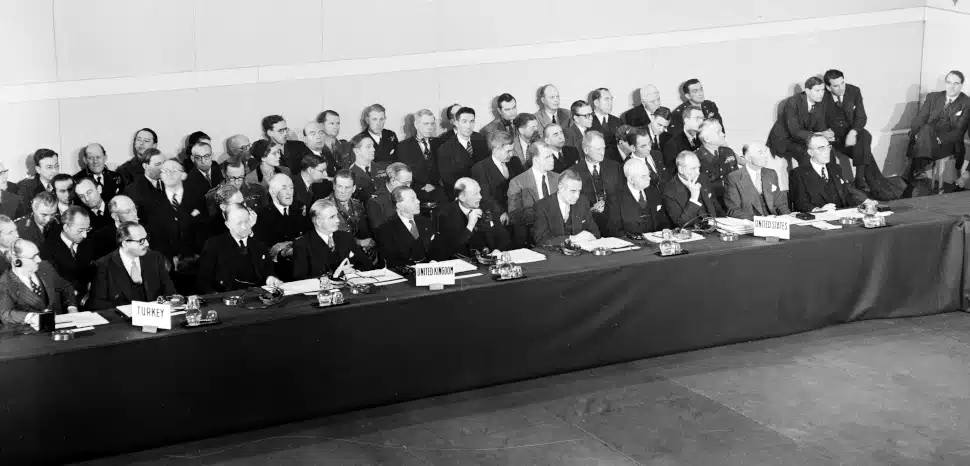
NATO Council Meeting (De Gasperi's Address, Schuman's Address, and Felix Gaillard, Rene Pleven, Herve Alphand, Amb. Draper, 1949 / Public Domain, modified / https://commons.wikimedia.org/w/index.php?search=Rene%20Pleven&ns0=1&ns6=1&ns12=1&ns14=1&ns100=1&ns106=1#/media/File:NATO_Council_Meeting_(De_Gasperi's_Address,_Schuman's_Address,_and_Felix_Gaillard,_Rene_Pleven,_Herve_Alphand,_Amb._Draper,_etc.)_-_DPLA_-_810d9f4b13cd1cabc6fbc149ddac934d.jpg

The political forces that thwarted the European Defense Community - a previous attempt at a common EU army and defense policy - still exist today, looming large over Brussels' attempts to establish an autonomous strategic posture and escape from Washington’s shadow.

Can Europe’s Military Go It Alone against Russia?

cc German air force maintainers inspect a German Eurofighter Typhoon upon its return from a flight during RED FLAG-Alaska 12-2, Eielson Air Force Base, Alaska. This is the first time the German Eurofighter has participated in a RF-A, as well as its first time on U.S. soil. (U.S. Air Force photo/Airman 1st Class Zachary Perras)

The EU’s path to true strategic autonomy runs through the very thing the bloc has always lacked: political will.

Europe at a Crossroads: Promise and Perils of the ‘ReArm Europe’ Strategy
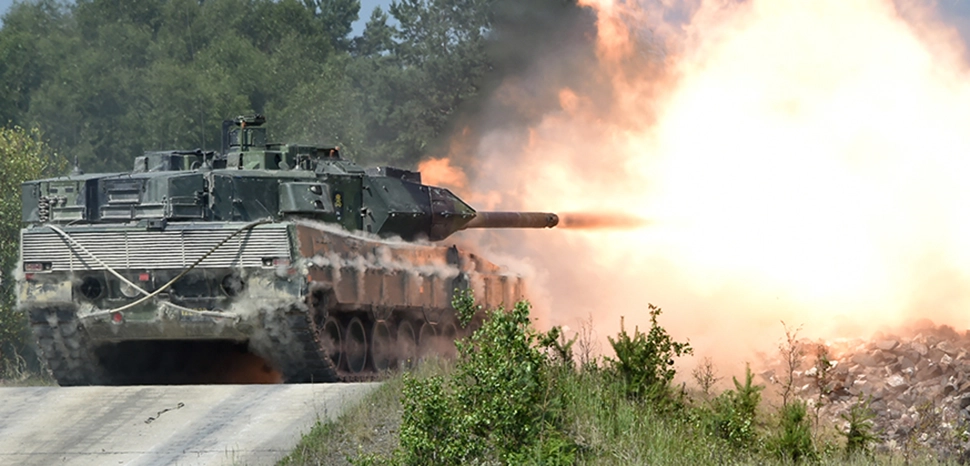
Grafenwoehr - Swedish soldiers with the Wartofta Tank Company, Skaraborg Regiment in a Stridsvagn 122 main battle tank conduct the defensive operations lane during the Strong Europe Tank Challenge, June 7, 2018. U.S. Army Europe and the German Army co-host the third Strong Europe Tank Challenge at Grafenwoehr Training Area, June 3 - 8, 2018. The Strong Europe Tank Challenge is an annual training event designed to give participating nations a dynamic, productive and fun environment in which to foster military partnerships, form Soldier-level relationships, and share tactics, techniques and procedures. (U.S. Army photo by Gertrud Zach) / https://www.7atc.army.mil/MediaAndNews/Photos/igphoto/2002178412/

While the ambition behind the ReArm Europe strategy is commendable, its success hinges on overcoming entrenched political, institutional, and industrial inertia on the continent.

European Defense Industry Showing Signs of Life in Trump Era
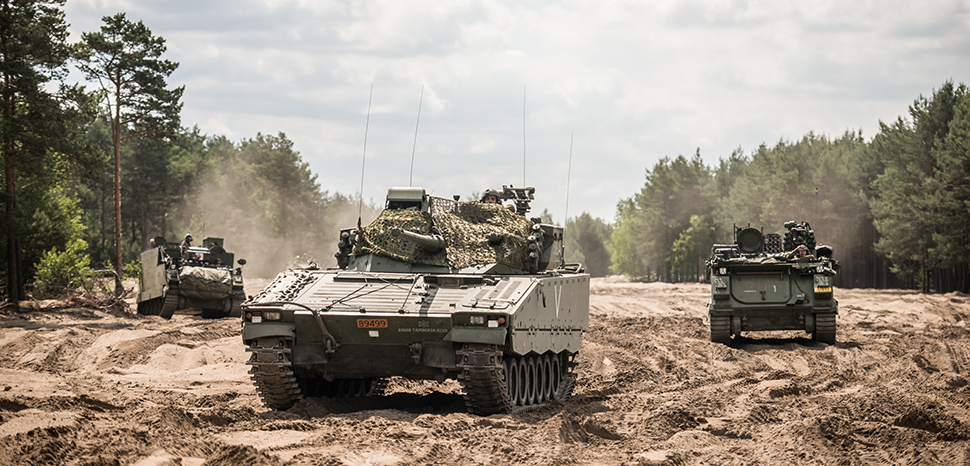
cc 1GNC Münster, modified, https://flickr.com/photos/1genl/18693747290/in/photolist-uL2kMh-utUkML-uJaM3h-oeyaK7-uLtPRp-nYASkM-tPtFf5-uL2Wnu-utUgF7-tPD7Si-uu3k1D-uLJxzc-uLus7R-uL2UZQ-tPDrED-uLJqh6-uu3ajz-tPtcD3-oeycqG-uu2GWK-oeybfW-tPCUcP-uLtMJD-2pyzgHS-uLJdZ6-nXeoMQ-ocFVko-nXes6J-aSmGjP-qC34X6-nXftv2-nXeBr5-oeHWGK-ofUBsd-nXebh9-oguGtX-orMZTo-orMZau-24urdpr-orHNy4-opYcmh-2csuAWS-2pgcTmm-2nxcuBU-5HsrUp-W6ws4X-5Hy73S-VQL85U-5HxYr9-5HxYrf

Challenges like interoperability and historic under-investment continue to plague the European defense industry. But in the current geopolitical moment, there may be enough political will to overcome them.

Poland: Washington’s Model Ally in Europe

A British soldier fires a 40mm grenade machine gun at the Bemowo Piskie Training Area, Bemowo Piskie, in Poland, on June 8, 2017. Saber Strike 17 is a U.S. Army Europe-led multinational combined forces exercise conducted annually to enhance the NATO alliance throughout the Baltic region and Poland. This year's exercise includes integrated and synchronized deterrence oriented training designed to improve interoperability and readiness of the 20 participating nations' militaries. (U.S. Army photo by Spc. Samuel Brooks) cc U.S. Army Europe, modified, https://flickr.com/photos/usarmyeurope_images/35241668646/in/photolist-Zpe5HU-J3GH84-2n6feqc-2nPY1C4-2n7k8af-2qAt3jS-2n68nrD-vDMSd-2n7xsc4-VGbLhE-VKJnvp-VGaiz3-2n7gcL4-2n6czro-2n6hSy5-2n6izSx-2n7kNnx-2n7whU9-2n9V2jz-2n8Avts-2n8mUAF-2nbHm8r-4UKFAf-2n6pTTk-2n6e34s-2n8vRXF-2n6gtXg-2oBuokP-qTo84j-2n7jHM4-qTo81J-GYf1WY-2n6cBax-ca2vyu-2n6ghfE-2n6ceNj-QFbRMR-2ncwNZU-2n7wCMV-2n7vNPU-2neeoxq-2nWkguh-2n7FHU9-bbmcSe-2n7FH9w-2n84rn8-2n7x4hk-2n7j5ei-2n8yEai

Amid the recent history of grand if empty pronouncements of impending European strategic autonomy, Poland actually delivers. Berlin, Paris, and London: take note.

Redefining European Defense: EU Security Policy in the Trump Era
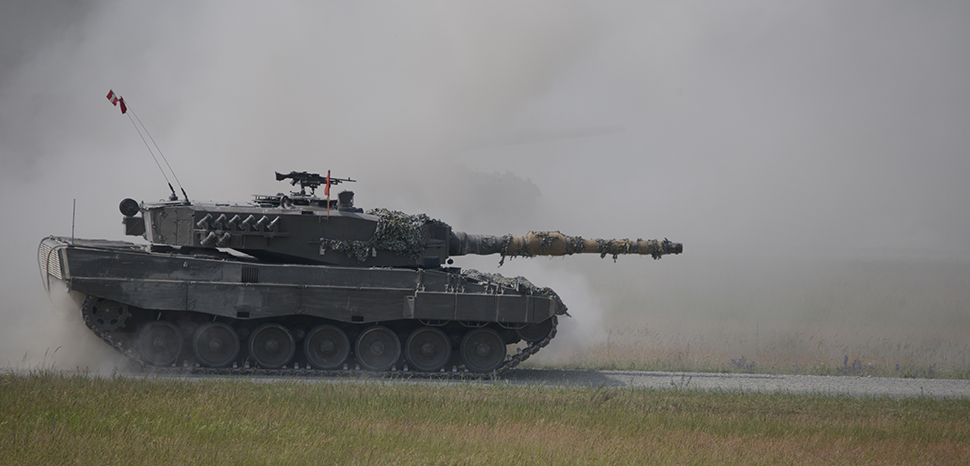
Flickr Strong Europe Tank Challenge 2018, modified, U.S. Army Europe and the German Army co-host the third Strong Europe Tank Challenge at Grafenwoehr Training Area, June 8, 2018. The Strong Europe Tank Challenge is an annual training event designed to give participating nations a dynamic, productive and fun environment in which to foster military partnerships, form Soldier-level relationships, and share tactics, techniques and procedures. (U.S. Army photo by Christoph Koppers) - https://www.flickr.com/photos/7armyjmtc/27902603277/

President Trump’s geopolitical pivot from Europe will boost previous efforts by Brussels to enact a more autonomous European defense posture. Yet structural challenges loom large over the process.

Whither Germany’s Defense Modernization?
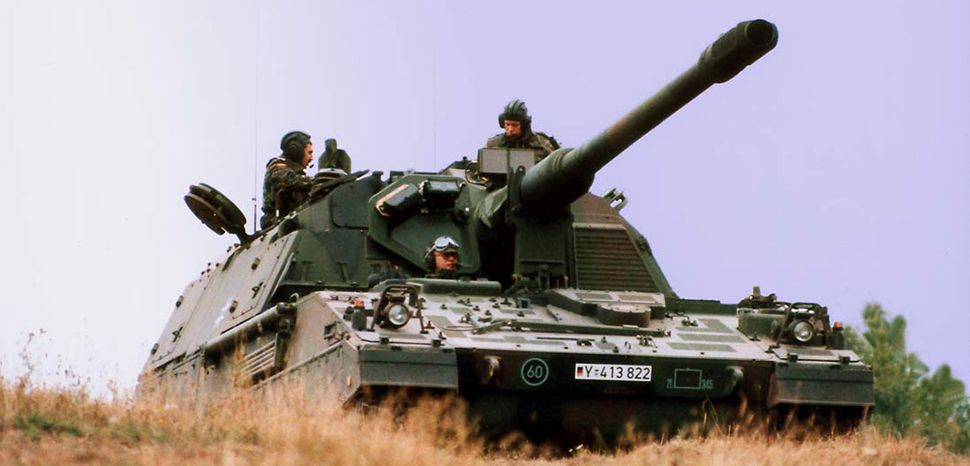
cc Ralf Dillenburger, modfiied, https://commons.wikimedia.org/wiki/File:Panzerhaubitze_2000.jpg

Checking in on the progress of Chancellor Scholz’s sweeping modernization of Germany’s armed forces.

Will Brexit Open the Door for an EU Army?
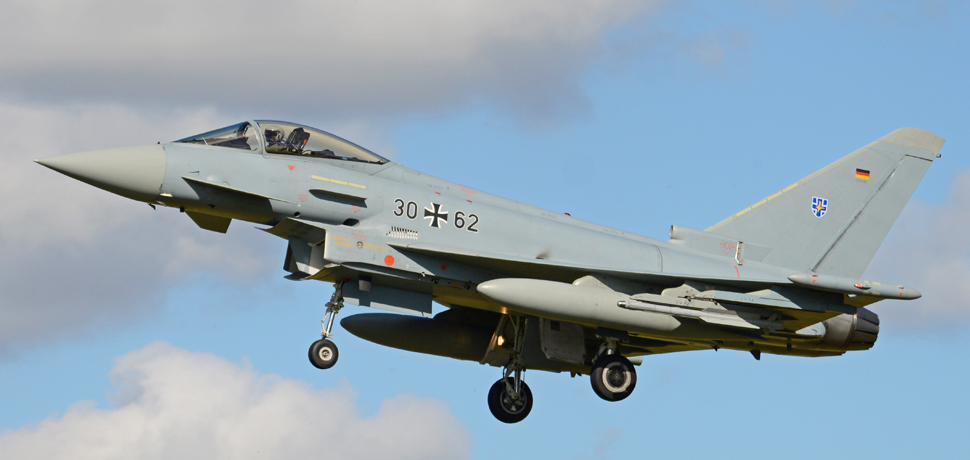
Eurofighter, cc Flickr Alan Wilson, https://creativecommons.org/licenses/by-sa/2.0/, modified,

The United Kingdom often scuttled attempts at greater EU integration on security matters, but the prospect of an EU Army will remain daunting after Brexit.

Treaty of Aachen: NATO’s Make-or-Break Moment
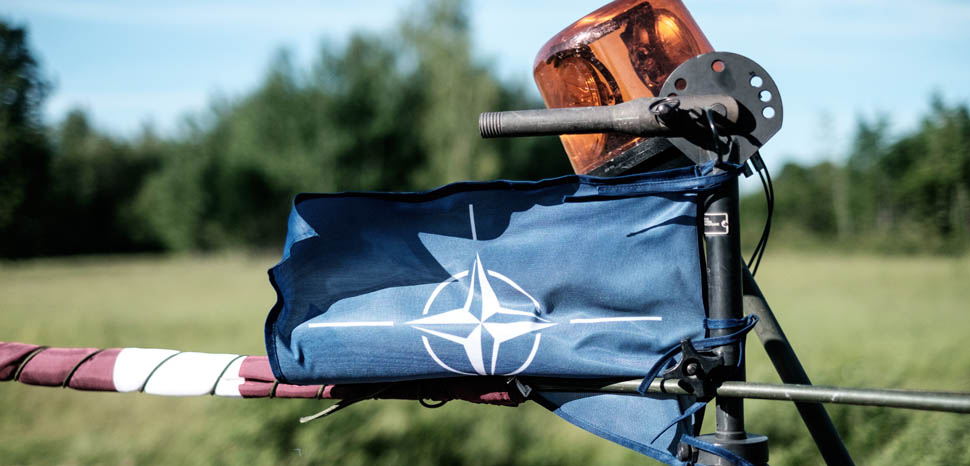
NATO Dragoon Ride 2016 Latvia, cc Flickr Kārlis Dambrāns, modified, https://creativecommons.org/licenses/by/2.0/

There’s a much more cost-effective option than pursuing an EU army: boosting defense budgets under the auspices of NATO.

Arms Trade in 2018: A Global Buyers’ Market
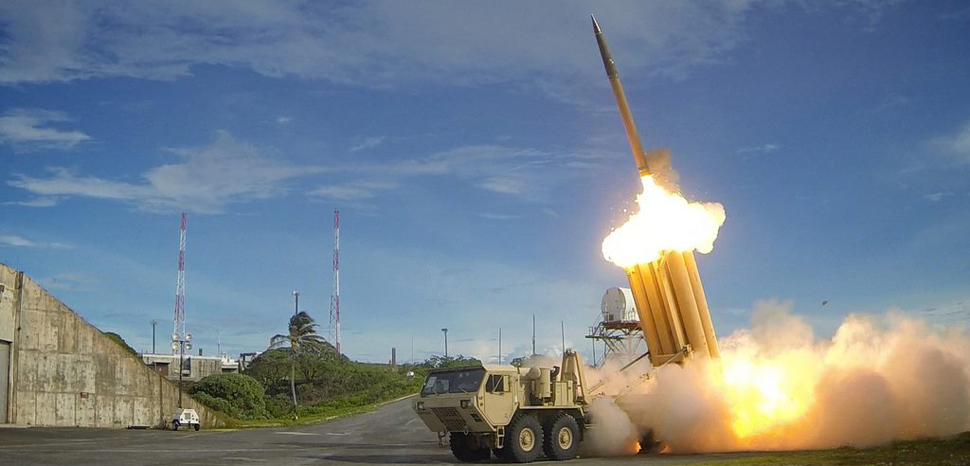
THAAD, cc Flickr Mark Holloway, modified, https://creativecommons.org/licenses/by/2.0/, originally released by US Army

The US, Russia, and China may be the world’s largest arms exporters, but other states are now coming around on the economic perks of a military industrial complex.

Munich Shows More Cracks in the Transatlantic Alliance
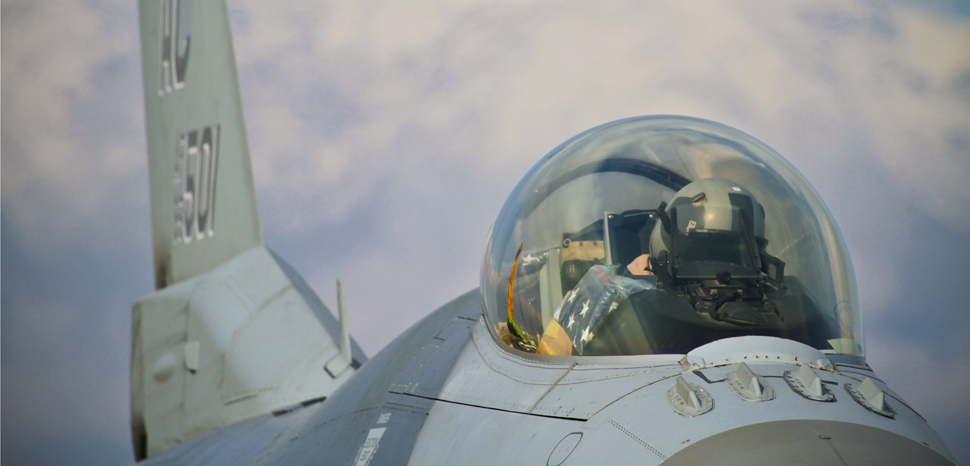
A U.S. Air Force F-16C Fighting Falcon deployed from the 177th Fighter Wing, NJ Air National Guard, prepares to launch from Bagram Airfield, Afghanistan, on Nov 28, 2011. U.S. Air Force photo/Tech. Sgt. Matt Hecht

The Munich Security Conference was supposed to underscore the ties that bind the transatlantic alliance. Instead, it emphasized what’s pulling it apart.

More EU Army Articles