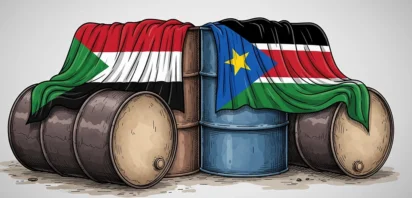
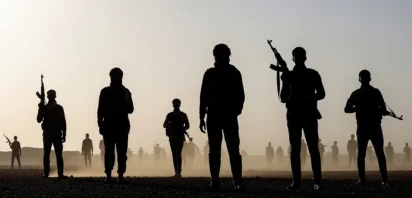
In the wake of last week’s highly symbolic though hollowed-out election in Sudan, the question on everyone’s mind is no longer whether or not the south will secede in 2011, but how bloody their secession will be.
Last week’s election, mandated by the Comprehensive Peace Agreement (CPA) signed by northern and southern Sudan in 2005, was reflective of just how fragile the Sudan CPA process has become. All of the major election observers, from the Carter Center to the European Union, half-heartedly criticized the fairness of the electoral process without commenting on the proverbial elephant in the room.
This of course refers to the fact that ICC-indicted President al-Bashir was only running against himself; making it a hard race to lose. Almost the entire landscape of political opposition opted to boycott the election process amid pre-emptive accusations of electoral fraud. Without the participation of the Umma Party or the Sudan People Liberation Movement’s (SPLM) in the north, al-Bashir’s victory lacks the legitimacy that could hold Sudan together as the next important CPA date approaches: a referendum on southern secession in January 2011.
That the south will vote to for independence when given the chance is no secret to the government in Khartoum. Furthermore, long-simmering animosities between the north and south preclude the possibility of pushing back the fast-approaching CPA referendum date- even if such a delay was needed to thresh out issues like voter registration or the demarcation of the oil-rich border.