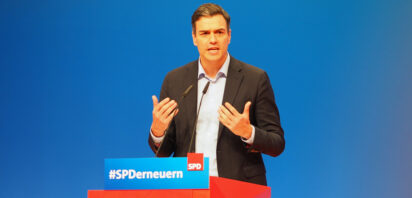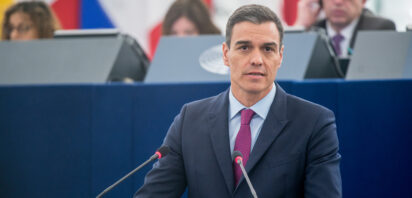
When Spain’s Socialist Workers’ Party (PSOE) scored a resounding victory in April general elections, it was presumed that leader Pedro Sánchez would be able to put aside personal acrimony and form a coalition with the ideologically like-minded Podemos party. After all, the result was as close to decisive as the newly fractured Spanish political landscape could possibly provide, and who would want to be blamed for dragging the public out to the polls for the fourth time in so many years?
It turns out these assumptions overlooked the extent of the antipathy between Pedro Sánchez and Podemos leader Pablo Iglesias.
Now voters will head back to the polls for a re-run in November 10. Sánchez is hoping to increase his party’s vote take and form a government with minor partners. But the upcoming re-run may end up more bust than boon for PSOE.
Analysis
These recent coalition negotiations provide a textbook example of how interpersonal dynamics can trump the dictates of political contingency. Back in April, PSOE and Podemos were natural coalition partners and both stood to lose from another election, but also there was no love lost between their respective leaders, a fact made clear when PSOE famously offered Podemos a coalition agreement that did not include the party’s leader, Pablo Iglesias. The negotiation process highlighted how Pedro Sánchez still views Spanish politics through the two-party lens, leaving him reluctant to cede too much power to a potential coalition partner. This ended up being the deal-breaker that gave rise to the new election
A question is being mooted by the various opposition parties: Did Sánchez want a second election from the beginning? And if so, did he engage in negotiations in bad faith in the hope of securing this goal. Only Sánchez knows the answer. But it cannot be denied that an election re-do remains a risky political proposition for his party.