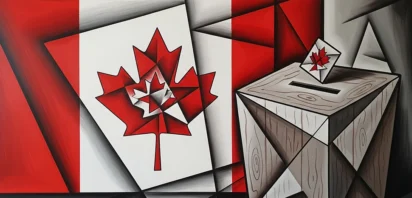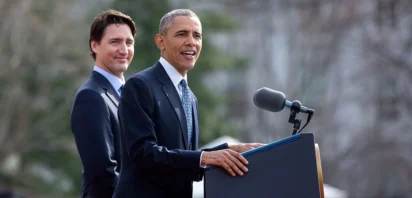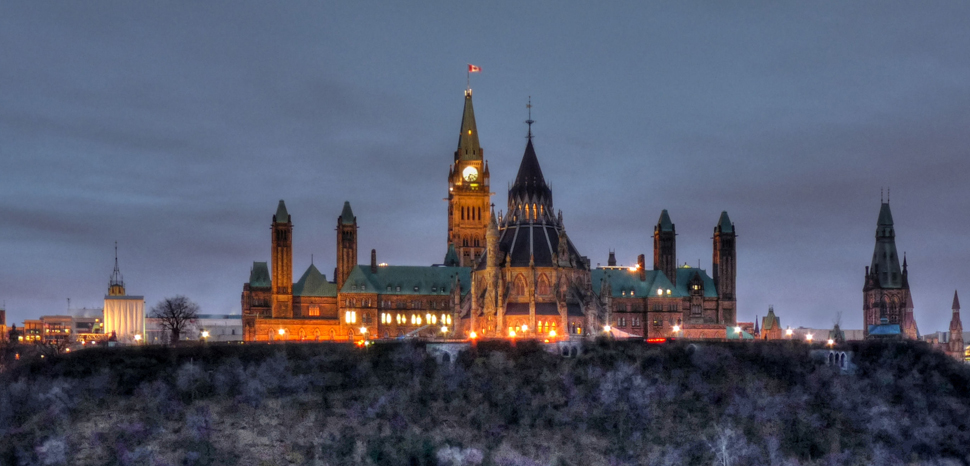
The Liberal Party bled support in every province of Canada, coming second to the Conservatives in popular vote – but it was till enough to give Justin Trudeau a plurality in seats, and with it an opportunity to form the next government. But this time will be quite different than in 2015, when a nation-wide red wave handed the Liberals a commanding majority in the House of Commons. Now they will operate at the pleasure of the opposition. But there is some good news for Prime Minister Trudeau: no one will be in any rush to force an electoral re-do.
Analysis
In many ways the 2019 campaign was ‘sunny ways’ in reverse: personal attacks, racism scandals, and questions of divided loyalties abound. What began as a contest fixated on the issue of climate change (helped in large part by the Greta Thunberg drama unfolding in parallel), ended as a referendum on four years of Trudeau leadership; one that, for many voters, apparently offered no compelling alternatives.
Here are the takeaways:
- Liberals bleed support across the country. Make no mistake: this was a bad result for the Liberals. But it could have been much worse. The party took 33% of the vote, down 6.5% from the 2015 federal election, and behind the 34% garnered by the Conservative Party. For the first time since 1979 – an election lost by Justin Trudeau’s father – the party with the most seats is not the party that took the greatest vote share. Still, the result should be viewed as a qualified success for Liberals given that they can form a government and avoided the very real possibility of a Conservative minority.