Rarely is there a political event that catches emerging market investors by such surprise as that which just transpired in Argentina.
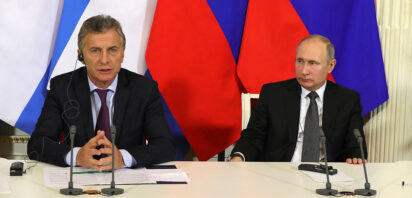
The shock came in the form of primary elections over the weekend – polls that are meant to gauge a candidate’s support ahead of general elections scheduled in October. The primaries are treated as a bellwether for the political winds of the moment. Incumbent President Mauricio Macri was expected to put up a competitive fight against his left-wing opponent, Alberto Fernández. Instead he took just 32% of the vote to Fernández’s 47.4%.
And the markets went wild.
Analysis
On Monday, the Argentine peso plummeted 30% to hit a new record low against the US dollar. The country’s equities were dragged down in tow, with the Merval index shedding 37% of its value in peso terms and 48% in dollar terms – enough to earn the ignoble distinction of becoming the second largest one-day fall in any of the 94 markets tracked by Bloomberg since 1950 (the largest took place during a civil war). Tuesday brought more red ink with another 7.5% drop in the peso’s value. Yields have also spiked in the meantime due to increased default risk in the event the government changes hands in October.
The extreme market spasm is down to investors being caught off-guard by the extent of popular angst against the policies of the Macri administration. In other words, the political risk was not being priced into Argentine assets, and investors had likely been growing complacent amid some positive data over the past few months. The reaction is also the product of two radically different political agendas on offer in October. One is from incumbent president Macri who, by negotiating a record $57 billion loan from the IMF and curbing government spending, came to be known as the austerity, pro-market candidate. Then is the left-wing candidate of Alberto Fernández, who himself is inclined toward moderation but has the populist former president Cristina Fernández de Kirchner as his running mate (it was de Kirchner who selected him). De Kirchner represents the Peronist strain of Argentine politics: protectionism, a strong state, subsidies, and international alignment with countries like China and Iran. She is the boogeyman of Argentine politics so far as international investors are concerned. It was generally assumed that her path back to power could be blocked by the various corruption charges working their way through the court system. But last weekend’s primary result would suggest otherwise, and it’s unlikely that she would be convicted should she take office in October.