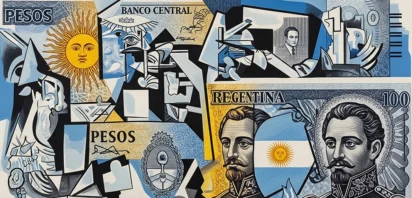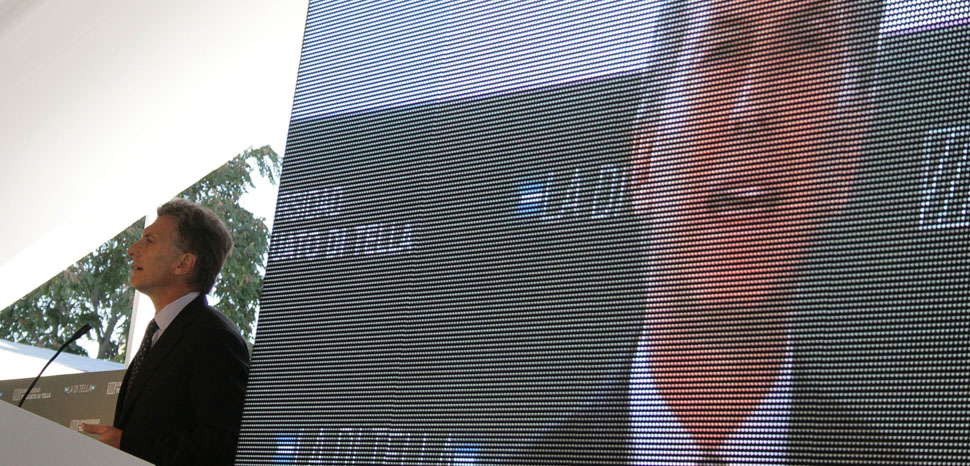
Just three years after being elected on a platform of new and invigorating economic reforms, President Mauricio Macri is going through the motions of an old act by seeking assistance from the International Monetary Fund (IMF). Of primary concern is Argentina’s currency, which has lost around 32% of its value over the past month and 20% since the beginning of the year. In May, it hit an all-time low, prompting President Macri to approach the IMF for help.
The peso’s plunge can be linked to a variety of internal and external factors, including high public debt and continued deficit spending, inflation, tepid growth, and a recovery in oil prices and USD value which has increased costs for debt servicing and new external borrowing. Macri’s turn toward the IMF is something that Argentinians have seen before, most infamously in the lead-up to 2001 when the Fund shut off the tap of assistance citing government non-compliance, leading to a disastrous default that took years to recover from, if Argentina ever really recovered.
Will this time be different?
Impact
A laundry list of economic problems. The list of economic headwinds Argentina faces is a long one. The country has a public debt of $321 billion, which is equivalent to 57% of its GDP. The debt has increased by 33% since President Macri was elected in 2015. Argentina had been locked out of global financial markets in the wake of the 2001 default, but Macri reached a deal with the last creditor holdouts in 2016, allowing the country to borrow once again.
The government still has to borrow to finance the national budget, though President Macri has brought the deficit down from 3.2% of GDP last year to 2.7% this year. It was 5.4% in 2015.