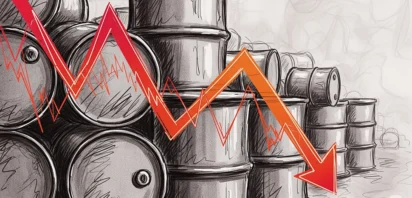
Oil plummeted into the low $60s following OPEC’s surprise announcement last week that it will be maintaining its production quotas. Prices have since clawed their way back towards $70. It’s clear that we are entering uncharted territory in terms of global energy markets, and it’s difficult to say who will emerge winners and losers over the long-term. That mostly depends on who blinks, or in this case bankrupts, first.
Over the short-to-medium term however it’s much easier to see where the economic pain will be felt. Put simply, OPEC’s strategy can be viewed as precipitating a period of low prices in the hope of a more extended period of high prices in the future. But not all OPEC governments can weather this interim period of low prices equally. Some are already presiding over sectarian conflict, debt, overstretched budgets, and razor-thin profit margins on oil extraction.
This article will identify the governments most at risk and examine how long they can hope to hold out.
Russia
The annexation of Crimea and subsequent civil war in Ukraine have placed the spotlight firmly on Russia of late, with some even speculating that OPEC’s price war was partially motivated by the secondary goal of squeezing the Kremlin.
The perception that Russia is susceptible to a plunge in energy prices is well-founded. Last year, 52% of the Russian government’s total tax revenues came from oil and gas.
Plummeting energy prices have combined with Western sanctions to produce a harrowing economic outlook for Russia. A government spokesman recently warned that the economy will contract by 0.8% in 2015; down from a previous estimate of 1.2% growth over the same period. The contraction could be substantially deeper if current price trends continue.