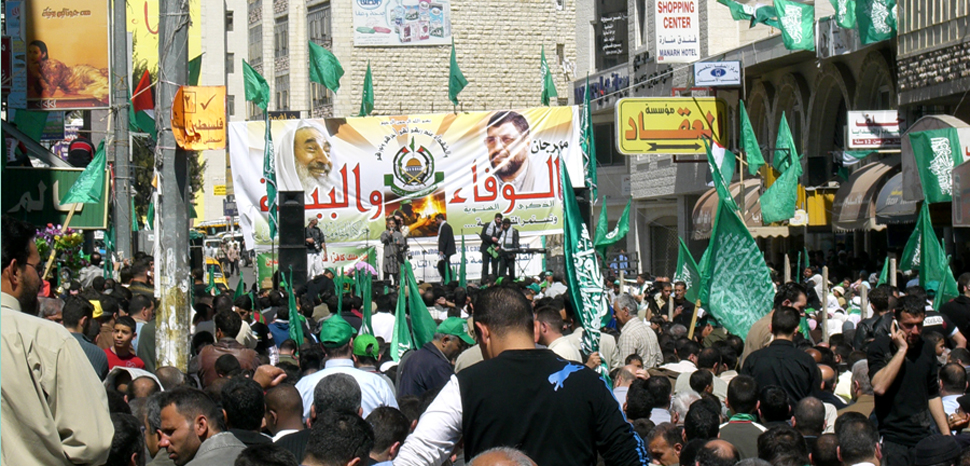
Back in October 2017, the two main Palestinian political factions, Hamas and Fatah, signed a deal that was supposed to end a decade of political estrangement and sporadic violence between the two sides. The 2006 elections had ended in bloodshed after Hamas defeated Fatah in parliamentary elections that the latter ultimately refused to recognize. The Islamist Hamas then defeated the US-backed Fatah during subsequent fighting in the Gaza Strip in 2007, and the two sides ruled different Palestinian enclaves in the decade that followed. Despite early doubts however, the Egypt-brokered reconciliation agreement between the two sides seems to be holding, perhaps helped by deteriorating relations between Fatah and its US and Israeli ‘frenemies.’ Some border posts in Gaza have been returned to the control of the Palestinian Authority (run by Fatah) and Hamas has dissolved its Gaza administrative committee. On the other hand, the enclave continues to be run by Hamas, whose armed wing shows no sign of dissolving itself for now.
Background
There is a looming economic crisis in Gaza, stoked by the Fatah-run Palestinian Authority (PA) according to its critics. By handing over its border posts, Hamas has ensured that their monthly tax collections now go to the PA, which so far has not allocated spending to Gaza. The PA is also accused of stalling on lifting sanctions on Gaza which it imposed last March as part of a plan to pressure Hamas to hand over control of the Gaza Strip before the Egyptian-led settlement. Moreover, the PA has failed to disburse salaries to employees appointed by Hamas after 2006. As a result, the economy of Gaza is heading toward total collapse, despite supposed relief from the 2017 reconciliation agreement. The number of trucks heading into the Strip has declined from a peak of 1,000 in October 2015 to around 530 per day. This has led to fears that a major outbreak of violence between Hamas and Israel could be imminent.