Drought continues to ravage the western continental United States, with a wide band of intense heat and below-average precipitation stretching from Canada all the way into Mexico. The past week saw worsening conditions across the Pacific Northwest, where 30-day average temperatures are well over 8 degrees Fahrenheit hotter than their historical averages.
Among Northwest states, Washington is reporting that around 40% of its districts are experiencing extreme-to-exceptional levels of drought (one level below the USDA’s most severe ranking), up around 5% from last week. Over 54% of Oregon is similarly parched, up 8% in a week; 33% of Idaho, up 9%; and 36% of Montana, up over 9%.
The numbers show a sharp deterioration in the region’s drought status in recent days, and many have compared the weather to the ‘snowpack drought’ of 2015, which savaged agricultural output throughout the region and led into an abnormally destructive wildfire season. The 2015 drought was unusual in that it was the result of unseasonably high temperatures rather than a major shortfall in precipitation. Hot weather reduced snowpack across the Olympic and Cascade mountain ranges, eventually impacting irrigation systems in the form of reduced runoff. The dynamic is notable for its high likelihood of recurrence – suggesting the arrival of a destructive ‘new normal’ – as researchers noted at the time. Sustained higher temperatures have the potential to alter local water cycles on a fundamental level, impacting everything from soil temperature to wildfire vulnerability to irrigation systems. And given the dramatic ice reductions recorded among Northwest glaciers of late, it stands to reason that the same phenomenon is contributing to this ongoing drought as well.
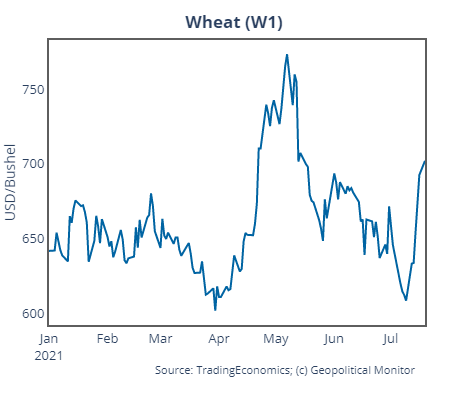
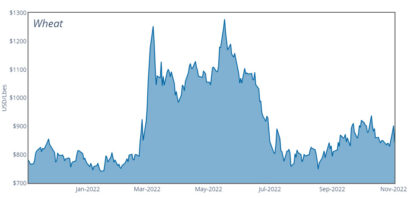
The Northwest produces a variety of crops, including potatoes, apples, cherries, pears, hay, barley, hops, and raspberries. But it’s wheat production that stands to take the biggest hit. Montana, Washington, and Idaho are the United States’ 3rd, 4th, and 5th leading wheat-producing states respectively, and the heatwave is eroding the quality and quantity of the upcoming harvest.