President Trump has announced that his administration will be imposing tariffs on steel and aluminum imports of 25% and 10% respectively. In doing so he follows through on one of his core campaign promises, much to the frustration of pro-trade figures in his administration like Gary Cohn, who has resigned from his advisory position as of Tuesday evening.
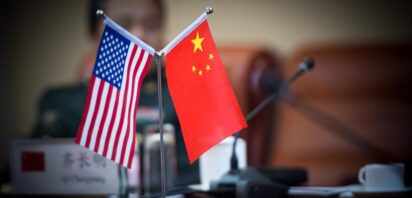
Details on the tariffs remain scant, including the matter of whether they will be targeted at certain countries or apply across the board, as is currently being assumed. Yet this lack of details has not stopped other governments from threatening their own retaliatory measures against the Trump tariffs. Chief among them was the European Union, which threatened to target iconic US exports such as Kentucky bourbon, Harley Davidson motorcycles, and Levis jeans. Trump has responded in turn by threatening a 25% tax on European automobile imports should Brussels follow through on its threat.
So far it’s all playing out as one might expect: like a typical trade war.
Impact
The ‘gut feeling’ in chief. It has been a chaotic week for the Trump administration, one where new disclosures and resignations came fast and furious. Then out of the chaos came this tariff announcement; it was not necessarily surprising given Trump’s campaign rhetoric, but the timing definitely caught many by surprise as the general assumption had been that the free traders ‘won’ the Trumpian civil war back when Steve Bannon was driven out of town.
President Trump has long been a proponent of protectionism as a way to even the playing field against cheating global competitors. But the announcement doesn’t seem to be the result of any overriding economic strategy. Quite the contrary, it seems to have resulted from a sudden fit of rage that caught many in the White House by surprise. This interpretation would explain the vagueness of the initial announcement, that it doesn’t include which countries will be targeted (a key consideration given the likelihood of other trading partners to react, which we’ve already seen from close US allies). It also fits in with President Trump’s political M.O. of floating an idea in the media echo chamber to see how it plays before acting on it. In other words, the details of the plan probably didn’t exist when the announcement was first made last week; they have slowly been getting filled out in the meantime.