After two weeks of difficult negotiations, Pakistan failed to secure its 13th bailout from the IMF. Talks are set to continue in the weeks ahead.
The temporary breakdown stems from Pakistan’s refusal to meet some of the IMF’s demands. These include the greatest hits of IMF negotiators: cutting energy subsidies, raising taxes, and devaluing the rupee. But there’s another demand, yet unmet, that raises some interesting questions about the international financial regime going forward.
The IMF is insisting that Pakistan discloses the terms of its Belt and Road borrowing from China. So far, the new government has refused to comply, perhaps because of the domestic political considerations involved. IMF backers in the West, primarily the United States, have been concerned about the prospect of taxpayer dollars going toward helping Islamabad escape a self-imposed ‘debt trap’ and in the process creating a sense of moral hazard for Chinese lenders.
The saga continues the trend of mounting pressure on the post-WWII institutional order. If talks break down and Pakistan has to ‘turn to its friends’ in Saudi Arabia and China, it will represent a return of the old Cold War dynamic of exclusive developmental blocs led by a powerful benefactor.
Impact
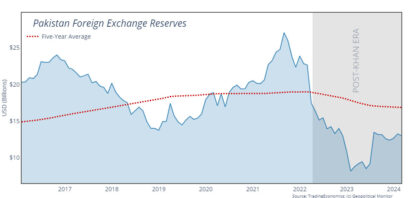
Pakistan’s economy is suffering a serious downturn, and the current account is of particular concern. In October alone the deficit grew by 1.2 billion, or 34% month-on-month. The total for fiscal year 2018 came in at a towering $18 billion.
Pakistan’s low foreign reserves (now just $7.5 billion) and high current account deficit mean that the country needs large amounts of outside financing, and fast. Over 2018 alone, foreign reserves have nearly halved. If funds continue to deplete at the current rate, it wouldn’t take long for a full-blown crisis to erupt, causing the economy to grind to a halt.