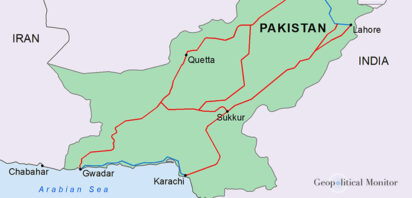
Though it has yet to realize its economic promise, Pakistan more than makes up for this in military and diplomatic weight. The country is home to a sizable and overwhelmingly young population of over 240 million people, the fifth largest in the world; it boasts a modern and well-funded military, armed with nuclear weapons; and it borders key countries like India, China, Iran, and Afghanistan. The authorities in Islamabad, whether political or military, are also frequently involved in various internal and external conflicts, ranging from the rise, fall, and re-rise of the Taliban to cross-border Baloch separatism and India-Pakistan tensions.
A Contentious Election
The 2024 elections in Pakistan unfolded against a backdrop of political tumult and suspicions of a pre-determined victory for Nawaz Sharif, who was returning from exile, and is clearly the preference of Pakistan’s powerful military establishment. However, former prime minister Imran Khan, despite his ousting by the military in 2022 and subsequent imprisonment, remains a highly popular figure even though he was disqualified from running. The pre-election period saw the Pakistan Tehreek-e-Insaf (PTI) party, associated with Khan, facing severe crackdowns, including thousands of its members being jailed and a ban on its election symbol, which critically impacted its campaign and visibility among voters.