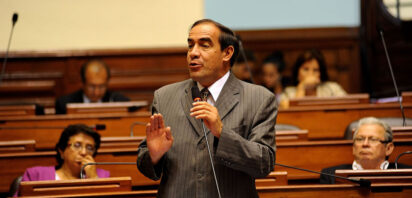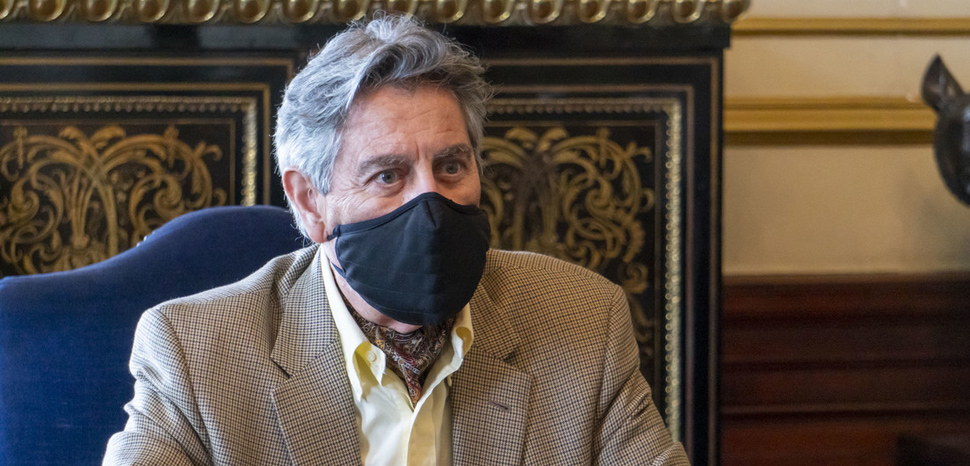
Lawmaker Francisco Sagasti was sworn in as Peru’s interim president on Tuesday – the country’s third sitting president in a week.
The vote caps off weeks of street demonstrations against Congress’ removal of president Martin Vizcarra earlier in November. Sagasti now must lead the country until general elections next year, a contest that could be critical in deciding the future of Peru’s volatile political system.
Background
A brief recap of Peru’s recent political struggles:
2016: Pedro Pablo Kuczynski of the (now defunct) Peruvians for Change party edges out Keiko Fujimori by the narrowest of margins to win presidential elections. Kuczynski’s running mate, Martin Vizcarra, becomes vice president.
2018: Kuczynski resigns the presidency following Congress-initiated impeachment proceedings. He had survived another impeachment process in 2017, but opted to resign after videos emerged of his allies attempting to buy Congressional votes in support of the president.
March 2018: Martin Vizcarra is sworn in as president following Kuczynski’s resignation. Anti-corruption reform emerges as a constant theme of the Vizcarra administration.
December 2018: Peruvians overwhelmingly accept three of four anti-corruption reforms put to them in a national referendum (banning private money in politics, restricting parliamentarians to one term, reforming appointment process of National Council of the Magistracy).
September 30, 2019: President Vizcarra dissolves Congress; the legality of which is contested by the opposition. Congress goes on to appoint Vice President Mercedes Aráoz as president. A constitutional crisis ensues, and snap legislative elections are called for the new year.
January 2020: Support for the Popular Force collapses amid leader Keiko Fujimori being implicated in Brazil’s Lavo Jato corruption sting. The result is one of the most divided legislatures in Peru’s history.
September 2020: Impeachment proceedings are opened against President Vizcarra by the opposition-dominated Congress, only to fall apart when it emerges that Manuel Merino, the president of congress, had approached the military seeking support for a hypothetical government headed by himself.
November 2020: Impeachment proceedings are once again opened against Vizcarra on the basis of alleged bribes he took when serving as governor of Moquegua.
November 10, 2020: Manuel Merino is sworn in as president following successful impeachment of Martin Vizcarra. Protests break out across the country and are met with violence by security forces.
November 17, 2020: Francisco Sagasti is sworn in as president following the deaths of two protesters in the capital, one of whom is shot 11 times.
Analysis
The current political crisis in Peru can be viewed through two lenses.