On April 11, Peruvians will elect two vice presidents and a new parliament to five-year terms. They will also narrow the field of presidential candidates down to two, who will then compete in a runoff election scheduled for June 6.
This second round is all but assured given the fractured field of candidates, nearly all of which stand a chance of making it past the first ballot. But despite the competitive nature of the contest, voters remain deeply skeptical that the election can produce a government capable of enacting much-needed reforms to Peru’s constitutional order.
Analysis
In the shadow of the Vizcarra impeachment
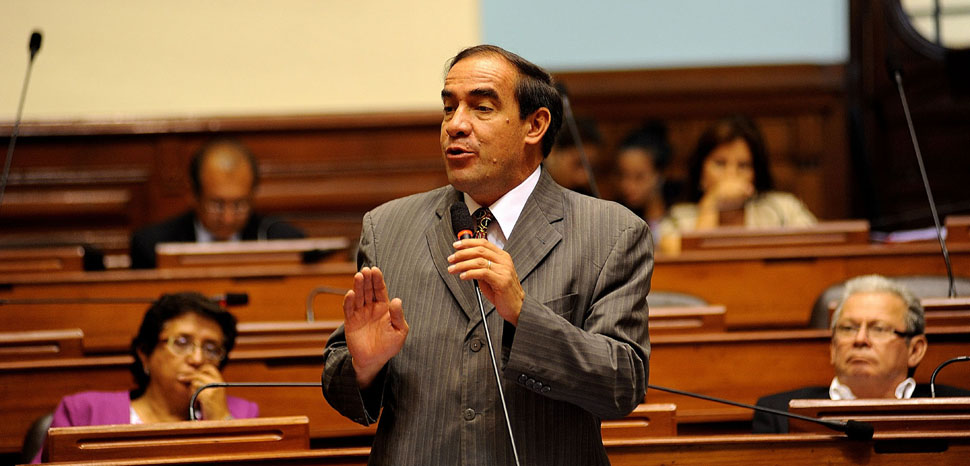
Modern Peruvian politics amounts to an extended saga of institutional struggle between the executive and legislative branches, the latter of which wields an inordinate amount of power compared to other democratic systems. Nowhere is this clearer than in the impeachment of former president Martin Vizcarra, who was swiftly removed from office by Congress in November 2020 on charges of corruption and gross mismanagement of the COVID-19 epidemic. It was the second time that Vizcarra had been impeached by Congress, the first attempt having failed just months before.
Vizarra left office with an approval rating above 50%. At the time, nearly 80% of Peruvians disagreed with his removal. On the other hand, over half of members of Congress were themselves facing accusations of corruption. Parliamentarians have long enjoyed legal immunity in Peru, though this changed very recently following a vote to remove the status once and for all.