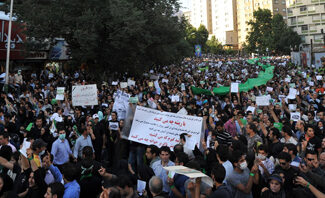
Protests have broken out in several cities in Iran over soaring food costs. Social media posts have revealed large demonstrations in the areas of Rasht, Farsan, and Neyshabur; according to one Iranian lawmaker, at least one person has been killed so far in the southwest. Dozens of protesters are believed to have been arrested as well.
The protests broke out after the state removed subsidies for imported wheat and other foods, causing immediate price hikes of up to 300% on various flour-based staples along with chicken, eggs, and milk.
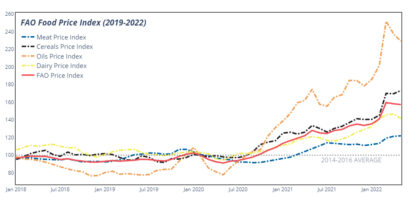
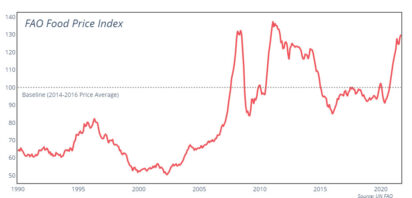
The removal of subsidies comes amid a slew of mounting internal and external pressures facing the Iranian government. Foremost among them is the impact of the Ukraine war on key food staples. The global market in sunflower oil, for example, is about half-supplied by Ukraine, with another 25% originating in now sanction-hit Russia. Iran imports about half of its cooking oil from Ukraine. Bread prices have been similarly impacted: Ukraine is the world’s sixth-largest wheat exporter, accounting for around 10% of the global market, and global prices have nearly doubled since Russia invaded in late February.
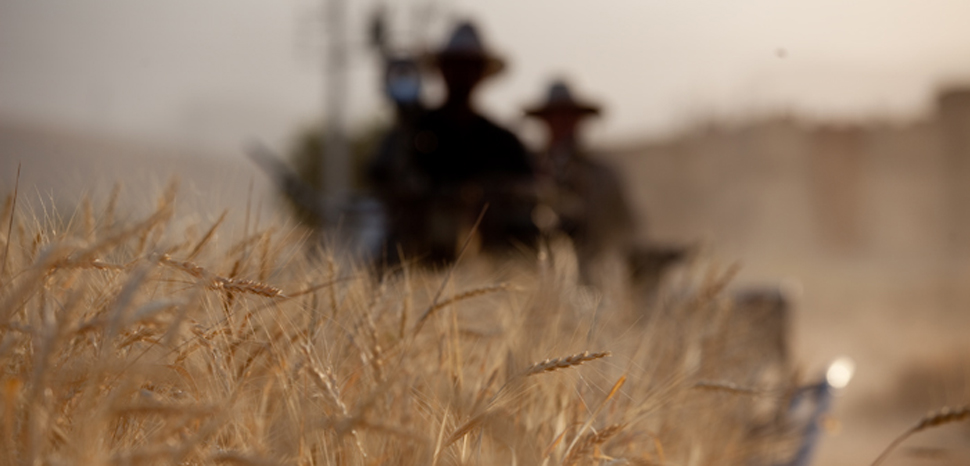
Long-running ecological factors have compounded these external market pressures. Iran is currently in the grips of an ‘unprecedented drought,’ according to the Iranian Meteorological Organization, with rainfall levels over the past two years substantially lower than long-term averages. The Iranian Red Crescent Society (IRCS) reports that seven provinces and some 4.8 million people are at medium-to-high risk of drought-related impacts. In terms of wheat output, the 2021 harvest was an estimated 30% lower than the previous year, resulting in a major spike in wheat imports. Iran imported an estimated 8 million tons of wheat over fiscal year 2021. This was not only the highest level of imports on record, but it also represents a major fiscal drain given the slow-but-steady increase in wheat prices through 2021. Price conditions have worsened considerably since the Ukraine war broke out, and Iran is expecting another record year of imports through 2022.
Deprivations aren’t limited to food supply – water has become a major issue in drought-affected areas, with prices rising as supply needs to be trucked in to account for depleted reservoirs. Recall that water shortages produced a series of major protests in central Iran from July-November in 2021.