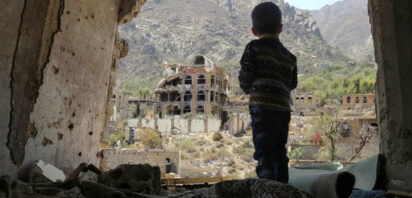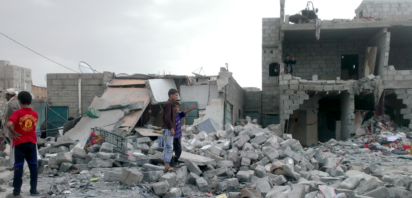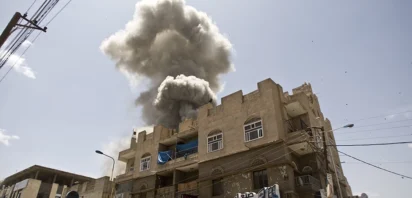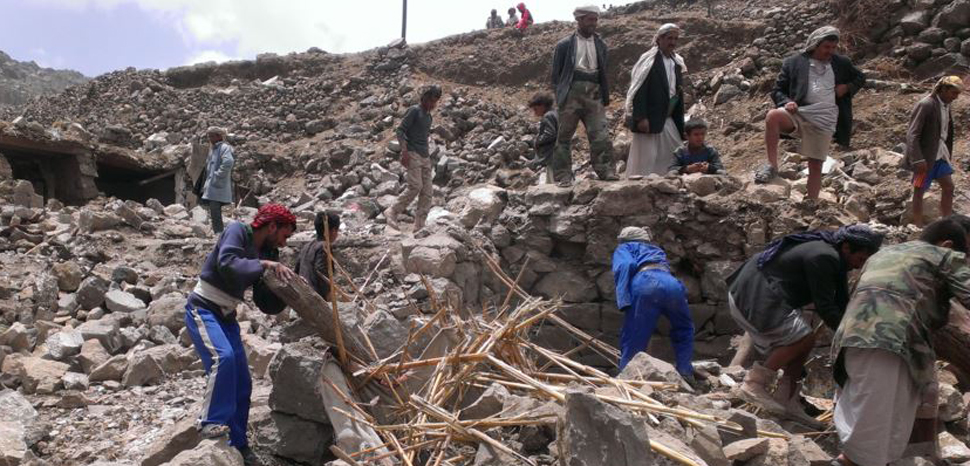
Yemen is heading toward a situation where half of the country’s population is “entirely reliant on external aid for survival” according to Mark Lowcock, the UN’s deputy secretary general for humanitarian affairs.
While Yemen’s humanitarian outlook worsens, the political situation remains deadlocked with no end in sight. Iran-backed Houthi rebels are in control of the capital and the northwestern and Red Sea coastal areas, and the Saudi-backed government of Abdrabbuh Mansur Hadi is in control of Aden and swathes of the central and eastern regions. To the south, along a wide expanse of Gulf of Aden coast, chaos reigns and some 6,000-8,000 Al Qaeda-affiliated fighters operate with impunity and, according to a recent AP investigation, occasionally join in Coalition operations against the Houthis. Various secessionist militias are also active in the south.
With all sides dug in for the long run and key international backers like the United States still blasé about the human impact, the only good bet over the short-term is that there’s much more suffering yet to come in the Yemen conflict.
Impact
The humanitarian situation primed to go from bad to worse. Humanitarian organizations have been sounding the alarm on Yemen for so long that their warnings are now being tuned out by the mainstream media. However, there’s a cumulative effect at work here: the longer the war goes on, the more infrastructure and domestic economic capacity is destroyed, the bleaker the humanitarian situation inevitably becomes. The 14 million people that Mark Lowcock foresees as being entirely reliant on food aid make for a sobering statistic; but Lowcock’s grim outlook doesn’t end there. His presentation to the UN Security Council contains the following warnings: 130 children under five are dying every day in Yemen; deaths will soon spike from the cumulative impact of years of undernourishment; and fighting in and around the Red Sea port of Hodeida risks cutting off inland aid corridors and triggering rampant starvation among the millions who are now wholly reliant on aid. The Hodeida port is the point-of-entry for around 70% of Yemen’s food and aid imports.
In closing, Lowcock warns that Yemen may become one of the worst famines in living memory – and sooner rather than later.
The Yemeni population is also being devastated by the fastest-spreading cholera outbreak on record. The disease is expected to have affected over a million people by the end of the year, and it has since resulted in over 2,156 deaths according to WHO. Some 19.3 million Yemenis currently do not have access to clean water and sanitation.