
India’s Mediterranean Signal Forces Ankara to Recalculate
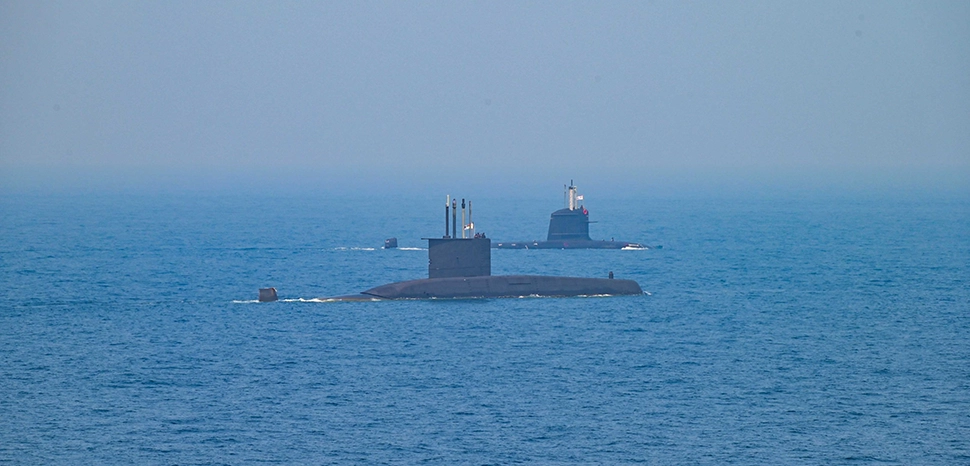
India’s deepening engagement in the Mediterranean demonstrates the birth of a uniquely 21st-century kind of statecraft: deterrence by association.
Southeast Asia’s Quiet Verdict on US Power
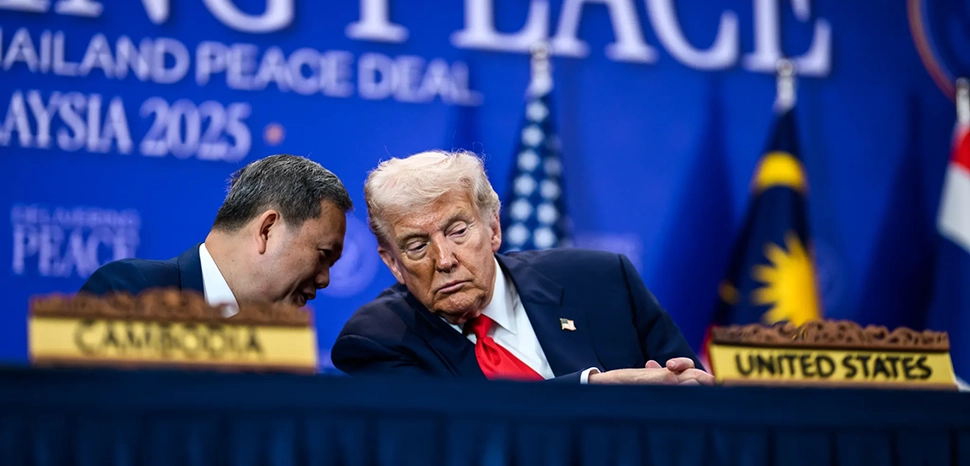
Southeast Asia is not moving towards China. It is moving away from US dependence.
A Eurasian Pact Takes Shape Amid the Ruins of the Old Order
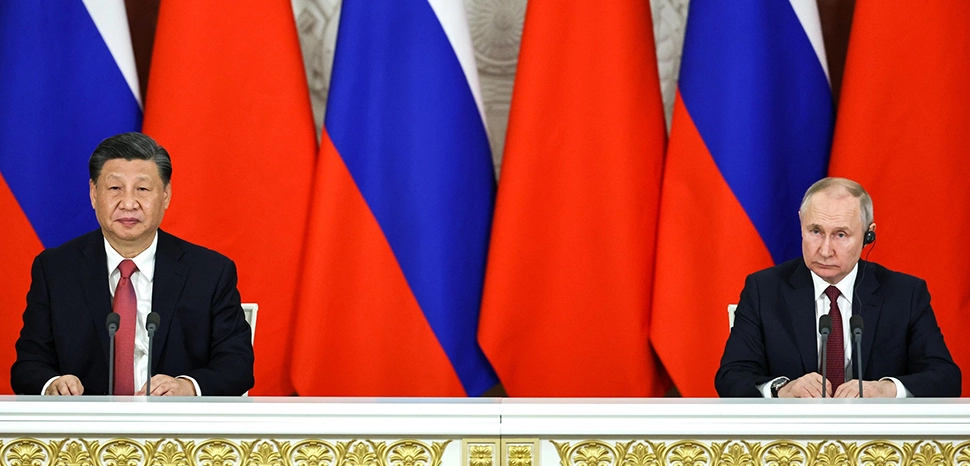
Deepening convergence between China and Russia is beginning to resemble a paradigm shift in global order — not yet a formal alliance, but something potentially more consequential: the gradual construction of a Eurasian strategic sphere designed to outlast American primacy.
Cebu’s Wake Up Call for ASEAN’s Energy Future
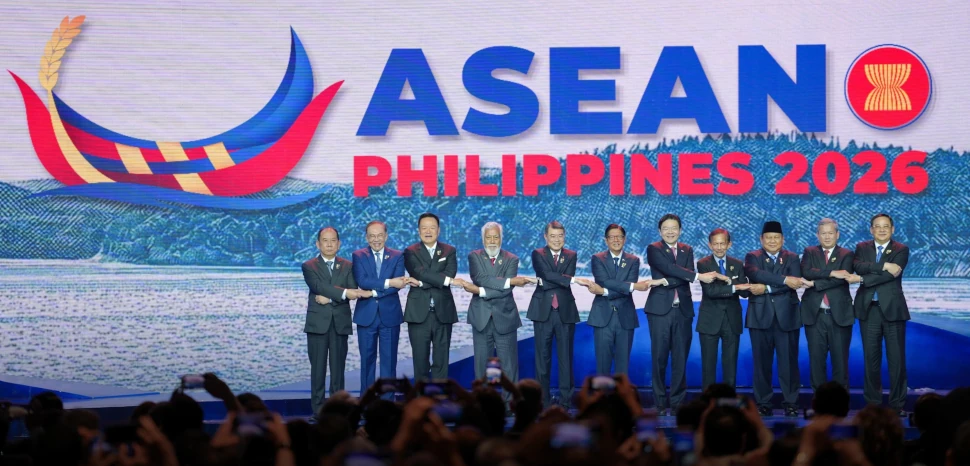
The Iran war is resurrecting old initiatives for bolder cooperation on energy and food security within ASEAN, but with them comes the now familiar friction between geopolitical alignment and collective decision-making.
Indonesia’s ‘Observer Inflation’ Isn’t the Crisis; Household Inflation Is

The 'inflation' that matters most in Indonesia today is not found in commentary or critique. It is found in hospital bills, school fees, rent payments, and grocery receipts.
Indonesia Is Accepting Strategic Risk Because It Has No Choice

Indonesia’s tradition of non-alignment is being tested by a sweeping new agreement with the United States. The plight is not exceptional and is increasingly familiar among middle powers looking to balance prosperity, security, and autonomy in an era of great power competition.
As Hormuz Burns, Is Pakistan the Bridge or the Fault Line?
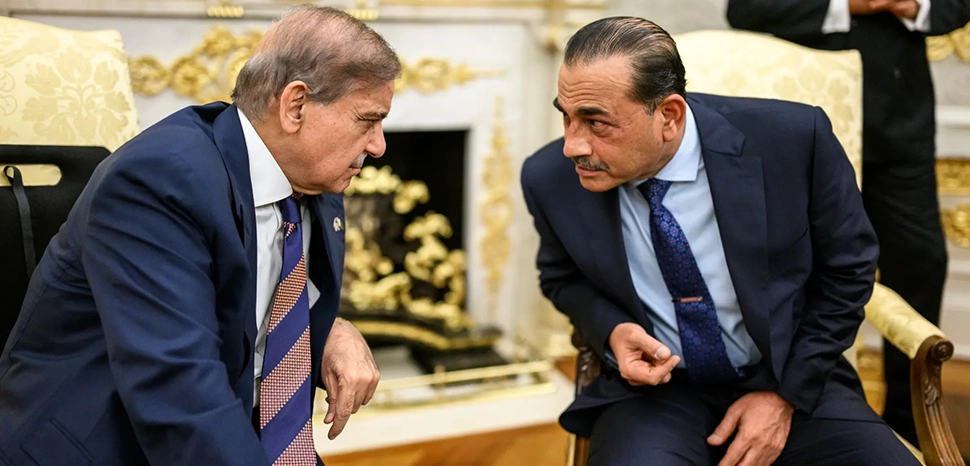
Pakistan’s mediation of the Iran war is a high-stakes reflection of how middle power dynamics are evolving in real time. Success could elevate Pakistan’s status and potentially reshape regional dynamics. A breakdown, by contrast, could entrench cynicism about mediation and expose Islamabad to the very conflict it seeks to avoid.
Crisis in Hormuz Exposes Fragility of the Rules-Based Order

The Hormuz crisis is pushing the global system to the brink, exposing not only geopolitical fault lines but the moral contradictions embedded in the international order itself.
AU Addis Ababa Summit: Africa at a Crossroads

The 2026 Addis Ababa Summit revealed a tension between idealism and urgency. The rhetoric of unity, justice, and water security speaks to a continental aspiration for dignity. Yet hard power realities — fiscal distress, insurgency, geopolitical competition — press in from all sides.
New Tokyo-Manila Maritime Pact Signals Shift in Indo-Pacific Security

The recent Japan–Philippines pact is not simply about defense. It is about determining whether the most stabilizing elements of the old order can be salvaged via minilateralism and conventional deterrence. Failure means fragmentation, and ‘might’ eclipsing ‘right’ in the Indo-Pacific.