Nigerians have already had to wait a long time to learn who their next president will be – first the polls were delayed for six-weeks, then the results got bogged down in a series of counting delays – and recent signs suggest there could be longer to wait yet.
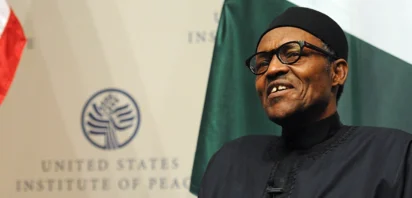
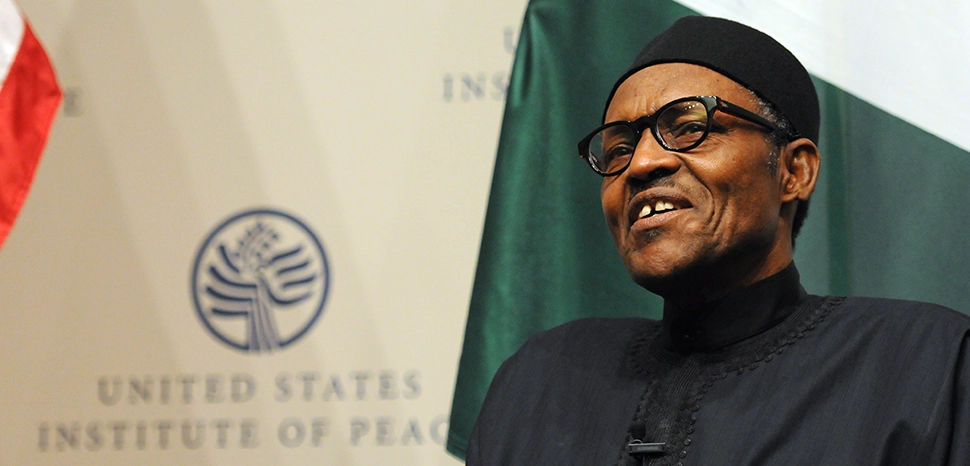
Nigeria’s Independent National Election Commission (INEC) is working to collate results from across the country, and an official announcement of the winner is expected sometime on Tuesday. Early results indicate that former military dictator and All Progressives Congress (APC) leader Muhammadu Buhari is leading in votes, and several news outlets have declared him to be the winner. However, until INEC makes its official announcement these projections are meaningless.
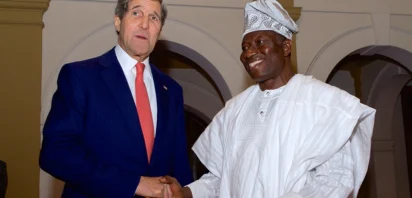
INEC is a nominally independent regulatory body with an unusual amount of power to sway the election one way or another. This mostly has to do with the way votes are counted in Nigeria. Instead of being counted at the district level, votes are collated centrally under the supervision of INEC. Consequently, even if Nigeria experienced a clean and transparent election in polling booths across the country, fraud could still taint the collation process on the national level – a fear voiced by top US and British diplomats in the lead-up to the vote counting. US Secretary of State John Kerry and British Foreign Secretary Philip Hammond have released a statement decrying “disturbing indications” of interference that were plentiful, though not systematic.
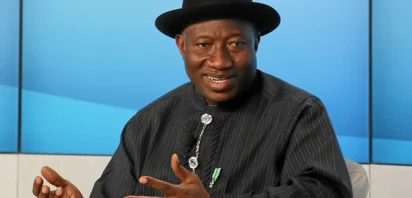
INEC is the regulatory body that delayed polls for six weeks on security grounds, a move that drew allegations of political pressure from the Goodluck Jonathan’s People Democratic Party (PDP) forcing the hand of this supposedly non-politicized and very powerful office.
Outlook
With INEC’s next round of results dropping in hours, APC’s Buhari is up by around two million votes with many of President Jonathan’s presumed strongholds still to be tabulated. Counting will come down to the wire and we can expect a robust challenge from the party that loses, both legally and – unfortunate though likely – on the streets as well. Riots broke out in northern Nigeria following the last presidential election between these very same candidates in 2011, resulting in over 800 deaths. Violence broke out despite a very wide margin of victory (Jonathan won a landslide victory of 58% over Buhari’s 31% of the vote).
Of course this time around is different, and both parties have begun their posturing for a new kind of post-results struggle.