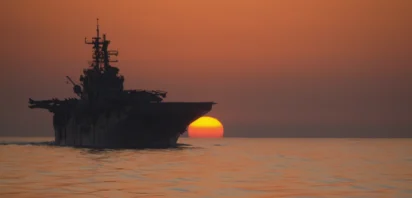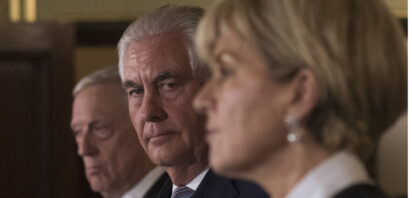
On June 21, as US and Iranian negotiators met in Switzerland to turn an interim memorandum into a durable settlement, the agreement’s central promise was already in dispute. Tehran-linked reporting said the Strait of Hormuz would not reopen until the Lebanon ceasefire held and oil-sale waivers were issued. US Central Command said traffic was still flowing. This is more than an argument over shipping. It illustrates the political problem created by the war: Washington has demonstrated force, but it still cannot give allies, markets, or adversaries a clear account of what stability might look like once the dust has settled.
That is the deeper cost of President Trump’s Iran war. The issue is not simply that Washington failed to achieve every military objective. By damaging Iran’s capabilities while leaving the nuclear issue unresolved, relying on an interim deal either side can abandon, and tying Hormuz to the wider crisis in Lebanon, the administration has made the United States look powerful but less predictable. American credibility rests on whether other countries can plan around Washington’s commitments and trust that the exercise of US power will produce order rather than a new set of risks.
Trump’s defenders have a strong counterargument, that the war inflicted real damage on Iran’s missile, drone, naval, and air-defense capabilities. Reuters reporting echoes these claims of setbacks to Iran’s conventional forces. Moreover, the framework opened a new 60-day negotiating period and secured an Iranian commitment to downblend its highly enriched uranium.
From this perspective, force created leverage and diplomacy turned that leverage into an exit. A war that ends in negotiation is better than one that continues without a political horizon.
But credibility is measured by the gap between a declaration of success and the order that follows. A senior US official acknowledged that either Washington or Tehran can walk away at any time, and the central test remains the sequencing of mutual obligations. The nuclear file remains unsettled, and reopening Hormuz depends on demining, transit arrangements, and political conditions. A superpower is not judged only by whether it can impose costs; it is judged by whether it can turn those costs into a settlement that others believe will hold.
The economic evidence makes it hard to dismiss this as a narrow Middle Eastern dispute. The International Energy Agency expects global oil supply to fall by 3.9 million barrels per day in 2026 and warns that demining and unresolved transit arrangements leave downside risks even after the interim agreement. Its June outlook describes an energy system still absorbing the effects of four months of conflict.
A strategy sold as the restoration of American power has forced governments, companies, and households to price in the possibility that Washington’s next move—or the reaction it provokes—will destabilize markets again.
Credibility: A Casualty of War
The Iran war has also strained the alliance logic that once amplified US power. Postwar leadership was never merely aircraft carriers and sanctions; it was confidence that the United States would consult partners, set understandable rules, and provide a stable framework even amid disagreement. In April, Trump’s anger over European reluctance to join an operation around Hormuz fueled fresh fears about NATO. Reuters reported that European officials are openly planning for a future in which US protection is no longer assumed. The administration’s recently announced plans to reduce US forces and crisis assets available to NATO reinforces the feeling that alliance commitments could be revised rapidly during an unrelated regional war.
There is nothing wrong with asking Europe to carry more of its own defense burden. But reliability requires that a strategic rebalancing be explained as strategy, not delivered as punishment in the middle of a crisis. European officials said Washington had not made clear requests for the assets it wanted in Hormuz even as it publicly criticized their lack of support. That mismatch between expectations and coordination turns burden-sharing into uncertainty. Allies lose trust when they cannot tell which commitments are real, which demands are negotiable, and which crisis might suddenly be used to rewrite the alliance.
The United States is paying a similar price in the Gulf. European leaders welcomed the memorandum as an opportunity to restore safe transit through Hormuz, but stressed that only a negotiated and lasting settlement can stabilize the region. Their statement treats diplomacy not as a victory lap for American power, but as an urgent repair job for a regional order left dangerously exposed. Gulf states are therefore reassessing old assumptions about US protection and exploring accommodation as a hedge against another escalation. That is not proof that Washington has been replaced. It is evidence that close partners are diversifying their options when US policy looks costly and volatile.
The interim accord has also exposed a structural problem in Washington’s relationship with Israel. Israeli critics regard the agreement as a strategic setback, while Gulf governments are alarmed by a regional order they did not shape. The United States is caught between an ally that wants more operational freedom, an adversary seeking sanctions relief and leverage over Hormuz, and partners who want an end to disruption. These interests have always conflicted. The difference is that Washington went to war without a political architecture strong enough to manage them once the shooting began.
This is why the claim that the war restored deterrence falls short. Durable deterrence is not simply the fear created by a bombing campaign. It requires credible limits, clear communication, and a settlement that makes escalation less attractive to everyone involved. The war demonstrated that Washington can inflict damage. It also showed that Iran can still threaten global shipping, Israel can affect the fate of US diplomacy from outside the agreement, and allied confidence can be shaken by decisions made without a shared plan. A country can be feared and still become less trusted.
Looking Ahead
The United States can still repair this damage. It should turn the memorandum into a verifiable agreement with clear nuclear obligations, enforceable rules for Lebanon, a credible mechanism for navigation, and consequences for violations by every party—not only Iran. It should consult allies before demanding high-risk participation, distinguish planned NATO rebalancing from threats issued in anger, and stop treating economic disruption as a tolerable side effect of demonstrating resolve. The goal is not endless US commitments. It is a basic discipline of leadership: power should make the system more predictable for partners, not more dangerous.
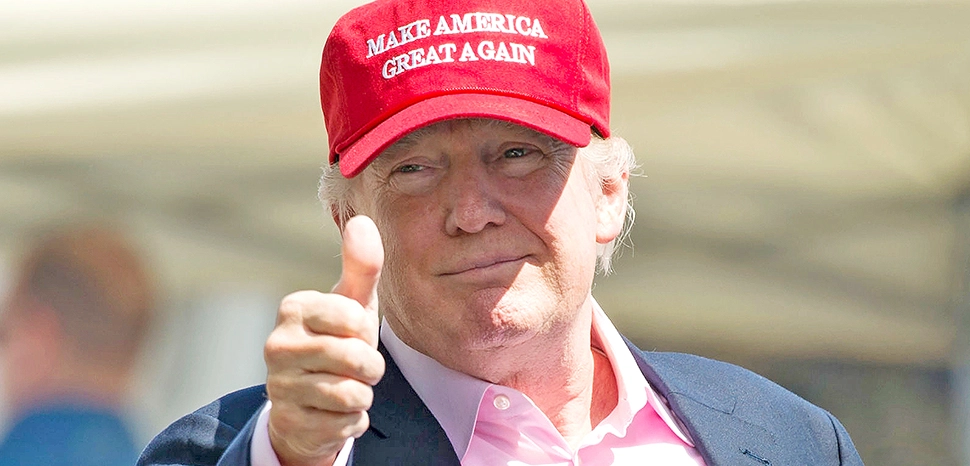
“Make America Great Again” promised that the United States would stop being taken advantage of. But greatness is not measured by how many countries fear a US decision. It is measured by whether allies can trust Washington, adversaries can calculate its limits, and markets can believe that US power will reduce risk rather than amplify it. Unless the administration learns how to turn military force into a stable political order, the Iran war will leave behind a harsher verdict: America remains formidable, but it has become less reliable.
The views and opinions expressed in this article are those of the author alone and do not represent those of Geopoliticalmonitor.com