Geopolitics Weekly analyzes emerging geopolitical trends around the world, distilling the cacophony of global events into one easy reader. It lands in the inbox of Geopolitical Monitor subscribers every week.
Americas
President Trump Reveals Plans for Future Venezuela Visit
What Happened
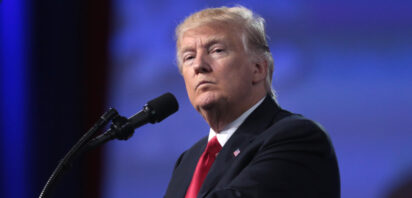
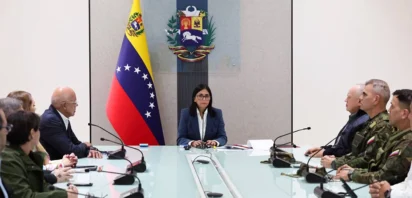
President Trump recently said that his relationship with Venezuela Interim President Delcy Rodriguez was ‘very good’ and told reporters that he plans to visit Venezuela, without specifying a time.
Trump’s comments come after the United States eased sanctions last week, allowing US oil majors to operate in the country. US companies will pay royalties and taxes not to Caracas, but to a sovereign fund controlled by Washington, which will then distribute revenues so long there is “continued positive progress in addressing American issues with Venezuela,” as per Energy Secretary Chris Right.
Elsewhere, a second tanker carrying Venezuelan oil was boarded on Sunday, this time in the Indian Ocean.
Why It Matters
The overriding goal here is to open Venezuelan oil to US private interests and ensure that the country does not act as the geopolitical node of a hostile power. In theory, this is all achievable by working through the present Chavista regime, so long as the elite plays ball: they keep their status, and Washington meets its strategic bottom line. This helps explain why President Trump’s cozying up to Rodriguez as the shortest path to a major foreign policy victory. Working through the opposition and/or putting troops on the ground would dramatically raise the stakes and compound uncertainty.
Yet this is all hypothetical and it supposes an ideological flexibility on the part of the Chavistas that may not exist. Rodriguez herself stressed that Maduro was the legitimate president on NBC’s Meet the Press last week. There will inevitably be high-ranking members and allies of the regime who are not on board with the new arrangement, some of them with their own armed militias. The question is not how pliable and cooperative Rodriguez is with the Americans (she appears quite pliable); rather, it is whether she has the internal authority to actually implement whatever she signs off on.