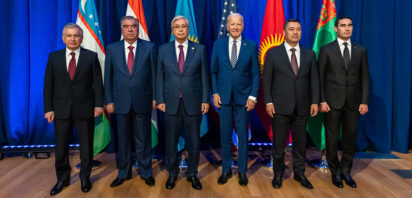
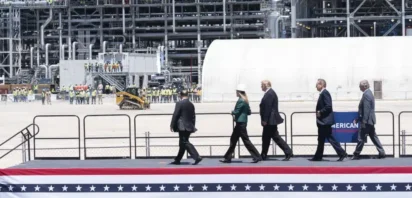
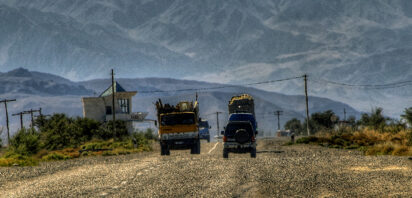
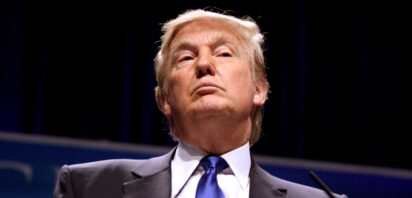
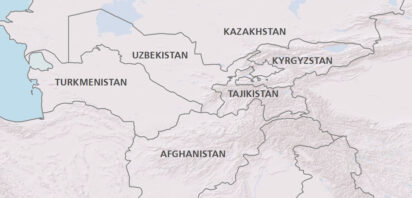
The November 6, 2025, C5+1 Summit at the White House marked the United States’ strongest effort in years to reestablish its influence in Central Asia, a region that has long sat at the crossroads of major powers but has often remained on the margins of US foreign policy. The gathering of leaders from Kazakhstan, Kyrgyzstan, Tajikistan, Turkmenistan, and Uzbekistan reflected Washington’s recognition that Central Asia has become strategically vital to global competition, especially as the world races to secure supplies of critical minerals.
The summit resulted in more than $130 billion in commercial commitments, including mining partnerships and aviation deals. It also produced a formal Joint Statement on Economic Cooperation, outlining plans for closer ties in trade, energy, education, and digital technology. By holding the meeting at the White House for the first time, Washington sent a clear message: the United States intends to compete with Russia and China on economic and strategic grounds in a region where both have long dominated.
For Central Asian governments, US engagement represents both opportunity and risk. The opportunity lies in diversifying their economies, attracting new investment, and reducing dependence on Moscow and Beijing. The risk is that their geography and infrastructure still tie them closely to those two powers. The US approach, focusing on investment and trade rather than political reform, appeals to regional leaders seeking practical benefits without the moral and governance conditions that often accompanied Western aid in the past.
However, this new phase of cooperation faces deep structural challenges. Central Asia’s landlocked geography, fragile governance, and outdated infrastructure make large-scale transformation difficult. Economies remain heavily dependent on Russian pipelines, Chinese financing, and remittances from migrant labor. Unless the United States sustains engagement beyond short-term deals and helps build institutions and transport links, this renewed diplomacy will struggle to outlast the current burst of enthusiasm.
In the near term, Washington’s involvement will likely expand trade and investment while giving Central Asian governments greater leverage between Russia and China. Over the longer term, the region’s ability to achieve real independence and balanced development will depend on whether both sides can turn these symbolic steps into practical, sustained partnerships rooted in mutual trust and shared capacity-building.
What Happened
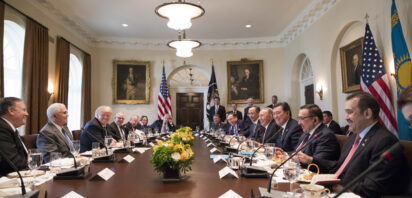
On November 6, 2025, U.S. President Donald Trump hosted the leaders of the five Central Asian republics at the White House for a historic C5+1 summit. This was the first time the format had been elevated to such a high level in Washington. The event followed a major business forum led by Commerce Secretary Howard Lutnick, where US and Central Asian companies signed an unprecedented series of trade and investment agreements:
- Uzbekistan announced plans to invest over $100 billion in the United States over the next decade, a striking pledge for a country whose GDP hovers just above that amount.
- Kazakhstan signed $17 billion in new contracts, including a memorandum of understanding on cooperation in critical minerals, such as uranium, tungsten, and rare earth elements.
- Boeing reached agreements to sell as many as forty jets to airlines from Kazakhstan, Uzbekistan, and Tajikistan.