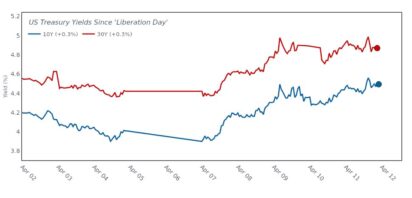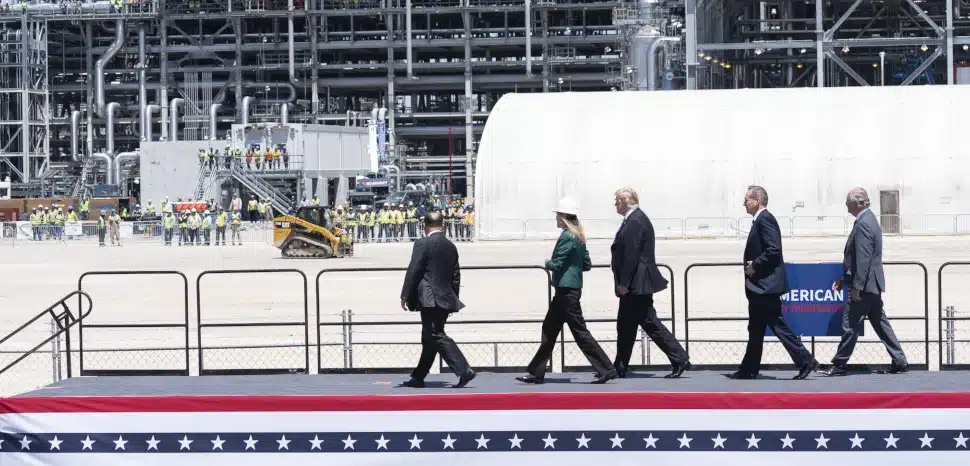
On April 2, US President Donald Trump unveiled a broad set of tariffs that threatened to reshape the US economic landscape. Though they have since been paused for 90 days from April 9, they could represent one of the most significant shifts in US trade policy in decades, potentially raising tariff rates to levels not seen since before World War I.
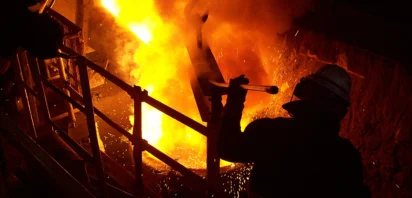
The goal? Revive US manufacturing, bring back high-paying jobs for workers without college degrees, and reduce the country’s reliance on foreign competitors for critical goods like semiconductors, machinery, and steel.
But the US economy faces some serious challenges that make these goals harder to achieve—everything from limited manufacturing capacity to worker shortages and increasingly complex global trade dynamics. This article breaks down what the Trump tariffs are trying to accomplish, the risks involved, and how these risks stack up against arguments in defense of the policy.
The Challenge of Reviving US Manufacturing
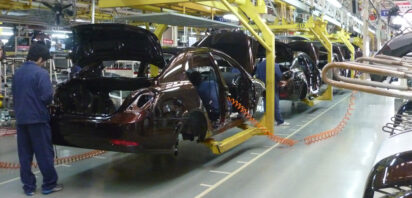
The central argument behind the tariffs is that they’ll help bring US manufacturing back to life. Supporters see tariffs as a way to undo years of offshoring and fight back against countries like China that prop up their domestic industries with government subsidies. By shielding US companies from cheap imports, the thinking goes, US industry will gain some breathing room to grow and innovate. In theory, this would lead to more factory jobs, stronger domestic supply chains, and a more resilient economy overall.