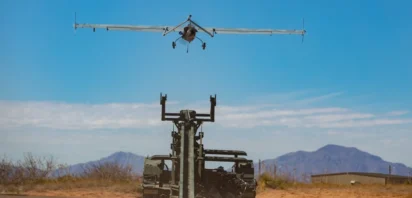
The maritime domain is undergoing a profound transformation driven by the rapid spread of low-cost, high-impact technologies. Innovations such as unmanned aerial vehicles (UAVs), improvised sea-based explosive devices, and open-source surveillance systems have become increasingly accessible to a wide range of state and non-state actors. These tools are disrupting long-established naval hierarchies, especially those that rely on expensive, centralized fleets. As a result, foundational assumptions behind traditional maritime strategies, such as sea control, deterrence, and coercive diplomacy, are being fundamentally challenged.
This article explores the consequences of these technological shifts, focusing on how various strategic actors are adapting their behaviors within an evolving maritime landscape. Emphasis is placed on interest-based calculations, operational flexibility, and the redistribution of capabilities across traditional and emerging maritime powers.