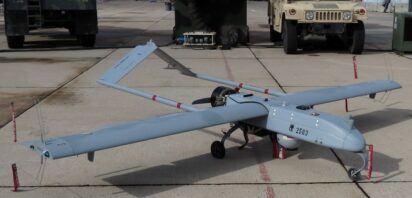
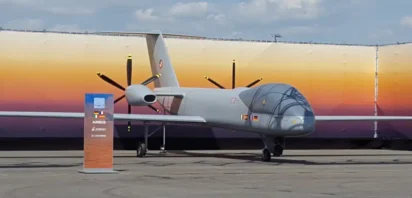
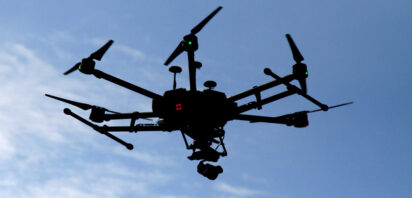
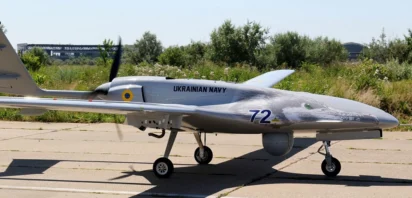
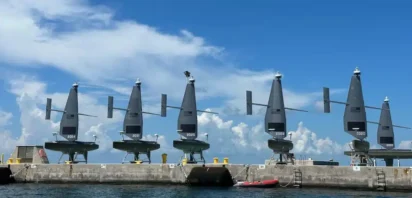
Europe’s next-generation maritime defense is inevitably anchored to AI and drones. As geopolitical tensions rise and maritime threats evolve, European nations are investing in unmanned maritime systems to bolster their naval capabilities. These systems, comprising surface drones, underwater vehicles, and AI-powered mine hunters, are redefining how Europe conceives of sea power.
This naval modernization drive is motivated by a rapidly evolving maritime threat environment. The sabotage of the Nord Stream gas pipelines in 2022 and the recent incident involving the Eagle S, a Cook Islands-flagged tanker operated by a UAE company, have exposed the vulnerability of critical undersea infrastructure. The Eagle S is suspected of severing the Estlink 2 power cable connecting Finland and Estonia, highlighting the risks posed by hybrid warfare. Meanwhile, increased Russian naval activity in the Baltic and Arctic Seas, rising tensions in the Eastern Mediterranean, and ongoing disruptions to commercial routes in the Red Sea further underscore the need for resilient, rapid-response solutions.
Why Drone Warfare Matters
Drones are playing a pivotal role in this transformation. Unmanned systems provide scalable, flexible platforms for surveillance, mine detection, and infrastructure protection, eliminating risks to human personnel. Their advanced sensing capabilities and modular payloads allow for diverse applications, from monitoring maritime borders with infrared sensors to tracking illicit activities in real time. unmanned underwater vehicles (UUVs) and low-visibility unmanned surface vehicles (USVs), such as the Wave Gliders, offer ideal platforms for covert surveillance operations. Their role is central also in the context of anti-submarine warfare.