The US military has ramped up its campaign against the Houthi rebels in Yemen, launching a series of strikes on March 15. The goal? To stop Houthi attacks on global shipping in the Red Sea and send a clear message to Iran, their main supporter. The escalation has already led to extensive strikes and could turn into a prolonged conflict with serious economic and geopolitical consequences. The campaign is part of a broader US strategy to secure maritime trade routes, counter Iranian influence in the region, and strengthen alliances with Gulf states, all while navigating the complex political landscape of Middle Eastern geopolitics.
A Widening US Military Campaign in Yemen
- Intensifying Strikes, Broadening Targets: For days, US forces have been hammering key Houthi sites, including command centers, weapons storage facilities, and drone warfare The strikes are part of a sustained effort, with officials warning that operations could continue for weeks. As the campaign progresses, the target list keeps growing, now including additional command hubs and detection systems that threaten maritime security. Intelligence reports suggest that the Houthis have been improving their missile and drone capabilities in recent months, making preemptive strikes against their infrastructure a key objective for US forces.
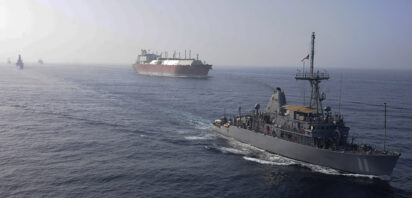
- Cutting Off Supply Lines: One of the US military’s top priorities is to choke off the smuggling routes that supply the Houthis with advanced weapons. These routes, running through the Arabian Sea and the Gulf of Aden, are critical to sustaining Houthi military power. Disrupting them would make it harder for the group to launch further attacks. US naval forces, working alongside allied warships, have stepped up patrols and intelligence-gathering operations in these waters, aiming to intercept arms shipments believed to originate from Iran.
- Potential for Direct Confrontation with Iran: Speculation is increasing that the United States might expand its attacks to Iranian ships and advisers supporting the Houthis. If that happens, it would mark a shift from proxy conflict to direct military confrontation—an escalation that could provoke Iranian counterstrikes against US forces and allies in the region. Iran has repeatedly denied direct involvement in Houthi attacks, but evidence of Iranian-made drones and missiles used by the Houthis suggests otherwise. If the U.S. does decide to target Iranian assets, the response from Tehran could range from diplomatic protests to military retaliation through its network of regional proxies.
Risks of a Wider Regional Conflict
- Iran Retaliation and Threats to Gulf Security: A direct strike on Iranian assets could push Tehran to respond aggressively, potentially targeting Gulf energy facilities. Iran has shown it has the capability to do so in the past, notably in the 2019 Abqaiq-Khurais attacks that temporarily disrupted global oil supplies. With Gulf states like Saudi Arabia and the UAE sitting on vulnerable energy infrastructure, the stakes couldn’t be higher. Additionally, Iranian-backed militias in Iraq, Syria, and Lebanon could launch attacks on US military bases in the region, escalating the conflict even further.
- Economic and Energy Market Turmoil: The Red Sea crisis has already forced major trade routes to shift, increasing transit times and costs. If the conflict escalates further, particularly with Iranian involvement, oil prices could potentially jump significantly. The ripple effect could be felt across global markets, driving inflation and supply chain disruptions. Shipping insurance premiums have already spiked due to the increased risk, further adding to the financial burden on global trade. Prolonged instability in the Red Sea could lead to severe economic consequences, particularly for energy-importing nations.
- Diplomatic and Strategic Fallout: The Trump administration is focused on restoring maritime security, but the broader consequences of the campaign could complicate diplomacy in the region. Gulf states have worked to improve ties with Iran, trying to stay out of escalating tensions. If the conflict worsens, they could be forced into taking sides—a position they’ve tried to avoid. The fragile detente between Iran and Saudi Arabia, brokered through China’s mediation, could unravel if the conflict draws in regional players. Meanwhile, Washington must also balance its military objectives with diplomatic efforts to avoid alienating European allies who may prefer a more restrained approach.
The Houthi Response
- A New Wave of Retaliation: The Houthis aren’t backing down. Following the recent wave of US strikes, they’ve launched drones and missiles at US naval assets. Their leader has warned of further retaliation, saying they will “meet escalation with escalation.” This suggests the conflict could drag on, with both sides locked in a cycle of attacks and counterattacks. The Houthis could also increase their anti-ship missile launches, targeting commercial vessels, which risks forcing neutral shipping companies to abandon Red Sea routes entirely.
- Possible Attacks on Energy Infrastructure: Given their history of targeting Saudi and Emirati energy sites, the Houthis may widen their scope beyond ships in the Red Sea. If they attack oil and gas facilities, it could send shockwaves through energy markets and further destabilize the region. The risk is particularly acute for oil export terminals and refineries in Saudi Arabia’s eastern province, as well as production sites in the UAE.
- Long-Term Military and Political Consequences: The Trump administration’s aggressive approach aims to decisively weaken the Houthis, but there’s no guarantee it will work. While strikes may disrupt Houthi operations in the short term, they could also harden the group’s resolve, giving rise to a new prolonged, asymmetrical conflict. Historically, airstrikes alone have rarely been enough to defeat insurgent forces, especially in Yemen’s rugged terrain where Houthis have extensive local support. If the conflict drags on, the United States may need to consider a broader strategy that includes diplomatic engagement with regional actors.
Looking Ahead
The US military campaign against the Houthis is escalating quickly, with no clear end in sight. While the goal is to restore security in the Red Sea and curb Iran’s influence, the risks of a wider regional conflict are mounting. Iranian retaliation, economic fallout, and the potential for a drawn-out war all add to the complexity of the situation. The coming weeks will be critical in determining whether this conflict remains a limited military operation or spirals into something much bigger. As tensions rise, global stakeholders—including Europe, China, and energy-dependent nations—will be closely watching how the situation unfolds, knowing that any escalation could have global repercussions.