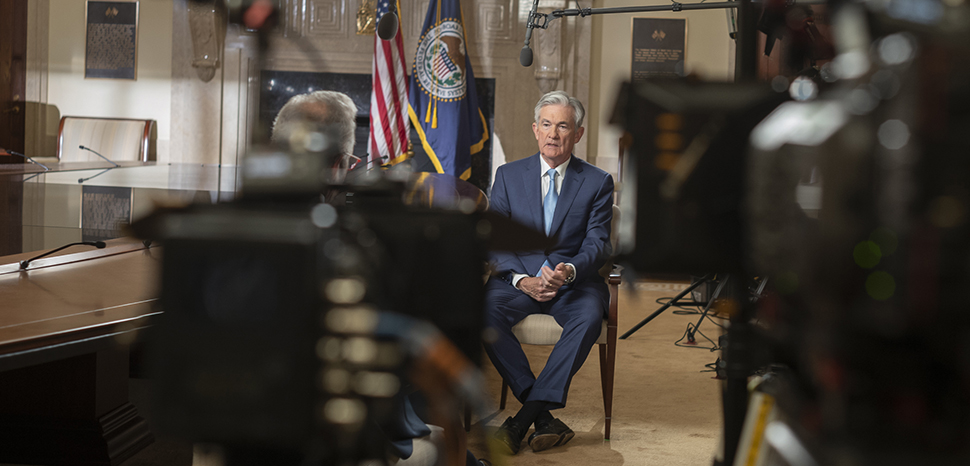
The US Federal Reserve enacted a 75-basis-point hike on June 15, the largest one-time hike since 1994. Fed chair Jerome Powell hinted that another 75-basis-point hike could be on the immediate horizon next month, pushing the benchmark rate over the 3% mark by the end of the year (there are four policy meetings remaining in 2022). Wednesday’s hike brought the benchmark range to 1.5-1.75%.
Five of the 18 members of the Federal Open Market Committee believe that the year-end benchmark rate will be significantly higher than that, settling somewhere over the 3.4% mark. Eight believe it will end up around 3.4%, and another five at around 3.2%. None of them predict a benchmark rate in excess of 4%.
One immediate question is: Will such a trajectory be enough to curtail the red-hot inflation occurring throughout the developed world? The honest answer is that no one can possibly know. Jerome Powell admitted as much during yesterday’s comments, pointing to developments outside the Fed’s control, such as the the impact of the Ukraine war on food and energy prices, and how we’re currently living in ‘extraordinarily unusual times’ that ‘[lack] a template or experience’ to help navigate. The Fed chair was also careful not to make any promises of a soft landing amid the current crisis (return to 2% inflation with labor markets intact), marking a stark departure from the halcyon days of inflation being a ‘transitory’ phenomenon unworthy of a strong policy response (recall that the transitory label was dropped as late as November).